
Italian cuisine today remains the most globally recognized though it is being very actively squeezed by Chinese cuisine, as a consequence of the wide spread of the Chinese diaspora around the world, China’s economic expansion, and a completely deliberate state policy of promoting the national gastronomic tradition. For example, the development of the trade infrastructure within the Belt and Road Initiative is today invariably accompanied by expansion of Chinese restaurant chains, food supplies, and gastronomic festivals. Today, the world as a whole greatly loves Asian tastes and aromas, this reflecting, among other things, the growing role of the Global South in the global geopolitical balance. Gastronomy journalist Irina Klimenko analyzes how gastronomy serves as a “soft power” instrument.
Editorial translation

What could be more unifying for the most diverse people than food? After all, irrespective of where we live, our gender, age, education, profession, political views, and other factors, we all eat and drink at least three times a day. Many national gastronomic symbols are well-known and appear regularly on our tables. When we say Italy, we mean pizza; Germany – beer and sausages; India – curry; China – Peking duck; Vienna – coffee; Spain – jamón; France – wine and cheese; Belgium and Switzerland jointly – chocolate; Mexico – tequila and Cuba – rum. And this list could go on and on.
Of course, we do not become agents of Italian influence by eating pizza too often (especially pizza with pineapple, which is also called “Hawaiian”, meaning it has nothing at all to do with Italy and might even offend those who advocate the purity of national Italian recipes). Yet a country about whose cuisine we are passionate clearly accumulates symbolic capital in our individual and collective consciousness, in the terminology of French sociologist Pierre Bourdieu. Gastronomy is undoubtedly one of the most effective tools of “soft power”. Unlike language, culture, political ideas, and religious traditions, food does not require special knowledge to be perceived and provokes virtually no ideological resistance, but is capable of creating a strong emotional connection with the culture and country that produces it.
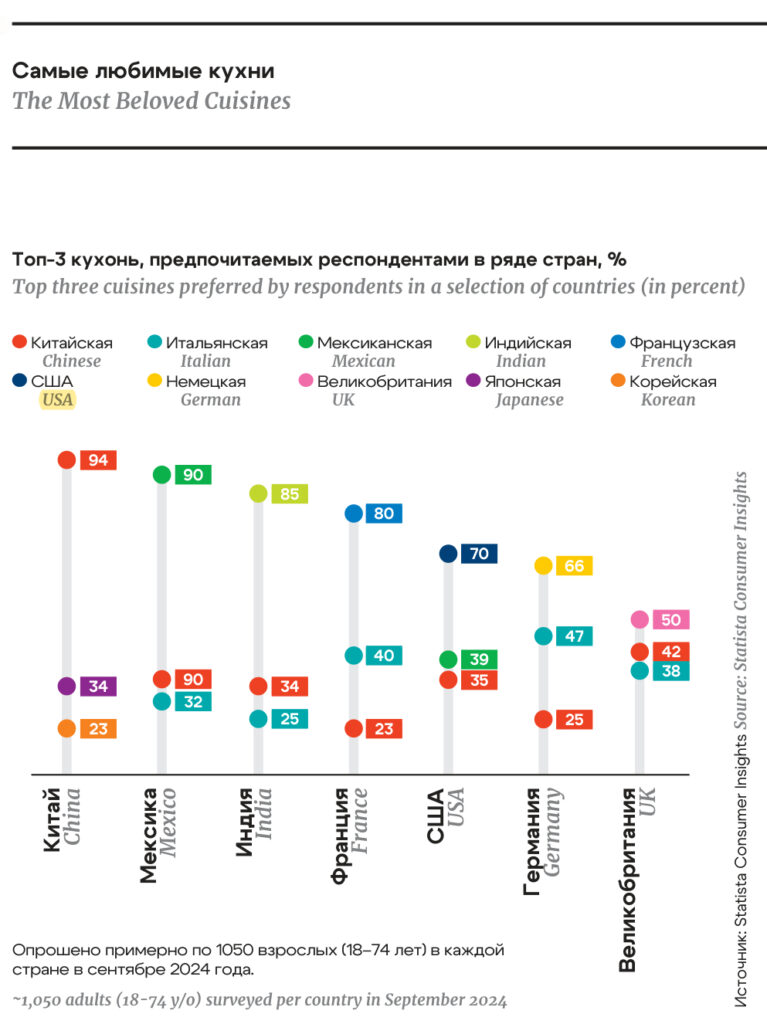
Considering gastronomy and oenogastronomy as “soft power”, we arrive at the concept of “gastrodiplomacy” (after all, Talleyrand, Minister of Foreign Affairs under three different political regimes in France at the beginning of the 19th century, said that “a diplomat’s best assistant is his cook”). This term was first used in The Economist magazine in 2002 in an article about the Thai government’s Global Thai programme. This was aimed at increasing the number of Thai restaurants worldwide in order to enhance the country’s appeal and create a positive image. The plan was to facilitate opening Thai restaurants abroad by creating templates for various types of establishment, from fast food to haute cuisine, assisting in finding authentic Thai ingredients and obtaining visas for chefs. This programme trebled the number of Thai establishments worldwide and boosted tourism in Thailand to a peak of 40 million in pre-pandemic 2019.
In such projects, food is used as a universal language for establishing emotional connections, this helping countries announce themselves positively and stand out on the international stage. Trade, tourism, and the Internet have made culinary arts and hospitality an important instrument of diplomacy, both culturally and economically. In the future, any country’s influence will be measured, among other things, by the creativity and appeal of its gastronomy.
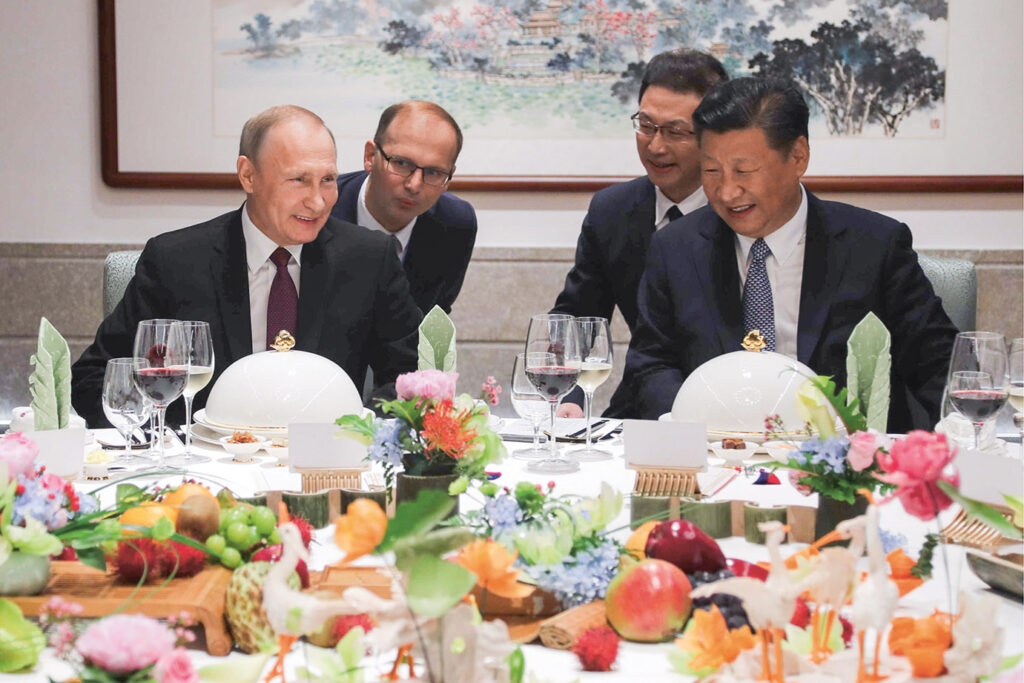
In fact, the “soft power” of gastronomy predates the term itself. These were not targeted steps by any government or other structures but the result of a long and natural evolution of society, interpenetration of cultures and cuisines, plus a consequence of not always peaceful historical events.
One striking example is the end of World War I and the collapse of the vast Austro-Hungarian Empire. This raised the question for many territories and peoples as to who we are now and to which country do we belong? For instance, South Tyrol, historically part of the large German-speaking territorial community of the Tirol, was ceded to Italy as a war trophy. The forced Italianization of the new territory was actively resisted by the local population. The struggle lasted for more than 70 years, ending in recognition of South Tyrol’s autonomy within Italy. Traditional Italian dishes and Austrian specialties like speck, knödel, and apple strudel successfully coexist both on local restaurant menus and in home kitchens. Now it is precisely this distinctive gastronomic duality that is the undoubted highlight of this region of Italy.
A similar path was followed by Burgenland, Austria’s youngest federal state. After World War I, this territory was ceded to Austria but the menus of modern restaurants still feature popular items such as goulash and Somló galuska, recognized Hungarian specialties.
Border cuisine in general is a very interesting phenomenon. One classic example is Carinthia, Austria’s southernmost federal state bordering on Slovenia and Italy. Carinthian gastronomy is called Alpine-Adriatic, thereby emphasizing that it harmoniously combines the traditions of the Alpine regions of Austria and neighbouring Italy, all the way to the Adriatic coast with its Slavic motifs in the east.
We can delve further into history and geography. The Philippines are a former Spanish colony. The Spanish dominated here for more than 300 years (1565–1898). A long time has passed since then but the signature dish of these islands, Sopa de camarones, is still served in almost all restaurants. Yes, the camarones shrimp are local – there’s sea all around – but the soup made with them is traditionally called by its Spanish name – Sopa.
Indonesia was colonized by the Dutch, who also left a rich gastronomic heritage. Perhaps the most famous example of the interpenetration of Dutch and Indonesian gastronomic traditions is the Klappertaart coconut cake. The name is purely Dutch: klapper – coconut, taart – cake. Some of the ingredients are European: wheat flour, while some are Indonesian: coconut milk, coconut flesh, and vanilla. Another very popular dessert is the calorie-rich layered sponge cake Spekkoek, called Lapis Legit in Indonesian. This recipe, too, was invented during colonial times. Spek is Dutch for bacon, koek means cake or pie. The cake consists of many dark and light layers of sponge cake using local spices: nutmeg, cloves, cardamom, cinnamon. Another gastronomic tradition from the colonial past is Rijsttafel, the simultaneous serving “to the table” of many dishes arranged around a large dish of rice. This format is still practised in Indonesia and is now a tourist gastronomic attraction. In turn, the Netherlands today boasts the highest concentration of Indonesian restaurants outside Indonesia itself.


Layer cake (spekkoek) (top) and coconut klappertaart
© Tiya Nh / Pexels
© Rezmita Anggriani / Shutterstock / FOTODOM
National gastronomy is not just a component of cultural heritage. It is also a strategic asset that can shape a country’s international standing, economy, and tourism appeal
Holidaymakers on the Thai island of Phuket learn that numerous Chinese immigrants once arrived on the island to work in the tin mines, naturally bringing their gastronomic traditions and habits along with them. Tin is no longer mined in Phuket but a large Chinese diaspora remains, together with many restaurants offering classic Chinese noodles.
In the world today, where mutual trade, tourism, and the Internet play a crucial role, gastrodiplomacy is no longer left to chance but carried out quite systematically and deliberately. Governments, as well as tourist offices of countries and regions, cultural centres, trade representatives, associations of chefs and sommeliers, hotel chains, and brand ambassadors all participate in this.
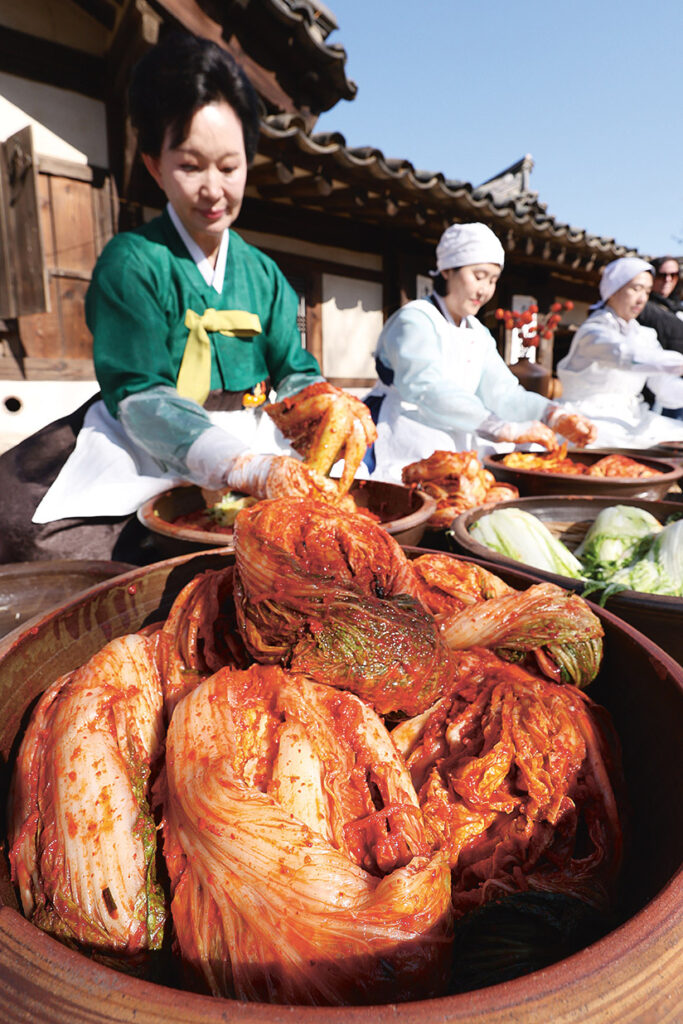
Following the successful campaign by Thailand, South Korea implemented its own large-scale programme. By actively promoting kimchi and other fermented products as being both tasty and healthy, the country sparked an entire cultural movement. In the 2000s, South Korean authorities realized that, according to the Anholt-GfK Roper Nation Brands Index of a country’s investment and tourism appeal, South Korea ranked only 33rd out of 50. The then-president set the goal of raising the country to 15th place in this index by 2013. It was decided that the way to the heart not only of men but of the international community would be paved through the stomach. About 40 million dollars were spent on the programme. The stated goals were: to increase the number of Korean restaurants in other countries, as well as exports of agricultural products and seafood, etc. In 2009, the South Korean government created the World Institute of Kimchi. In 2013, Kimjang – the tradition of making and consuming kimchi – was inscribed on UNESCO’s Representative List of the Intangible Cultural Heritage of Humanity. The success was also facilitated by, around the same time, interest in functional foods and the gut microbiome prompting many people to try kimchi. With the growing popularity of South Korean cuisine abroad, other areas of national culture were also promoted: Korean films, music, and dance, as well as Korean cosmetics.
Japan is also a global leader in gastrodiplomacy. It promotes traditional Japanese cuisine, washoku, and widespread dissemination of its signature sushi around the world to create a modern, healthy, and prosperous image of the country, which undoubtedly boosts its tourist appeal.
Peru is following a similar path. Initially, the aim of promoting Peruvian gastrodiplomacy was to overcome the country’s negative image as having high crime rates and being generally dangerous for tourists. In 2006, the launch was announced of two programmes: Cocina Peruana del Mundo and Perú Mucho Gusto. This was an ambitious joint project of the Peruvian government, represented by the Ministry of Foreign Affairs and the Ministry of Culture, as well as the Peruvian Gastronomic Society (APEGA) and private partners. After two decades, the result can be said to be phenomenal: traditional Peruvian cuisine has been inscribed on UNESCO’s list of Intangible Cultural Heritage. Moreover, in 2023, the country’s capital, Lima, was recognized as the city in North and South America with the fastest-growing number of overnight tourists. In general, Peruvian cuisine has become one of the most fashionable in the world, despite the country’s geographical remoteness.
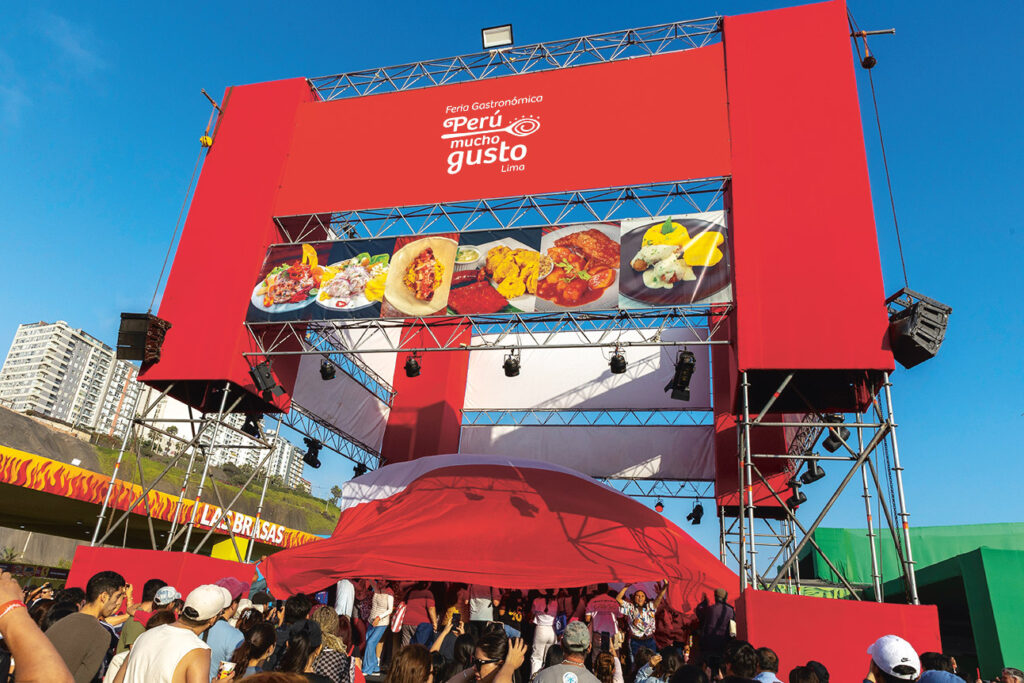
Through its cuisine, Peru has been able to improve significantly its international image
The Vietnam Tourism Association has also developed a strategy and views its national cuisine as an important tool for positioning the country. In 2025, the Association stepped up efforts to turn Vietnamese gastronomy into a unique tourism offering. National-level events such as Vietnamese Bread Festival 2025 and Vietnamese Rice Noodle Festival 2025 gathered hundreds of thousands of participants and guests, boosting recognition of Vietnamese cuisine as a brand in international media. The current year 2026 is being marked by gastronomy in Vienna. The Vienna Tourist Board is running a campaign called Vienna Bites – Kitchen, Culture, Character and dedicated to the Austrian capital’s gastronomic identity. The focus is on classic Viennese dishes and traditional restaurants, as well as new restaurant concepts, meat and pastry culture, winemaking, and agriculture. Also included are ceramics, porcelain, silverware, textiles, table setting traditions, and culture. Shopping and high-quality edible souvenirs are not forgotten, as these are what tourists take away with them to various countries around the world. The campaign includes masterclasses, films, exhibitions, city and vineyard tours, and visits to farms and enterprises. An example of Austria’s delicate gastrodiplomacy work has long been demonstrated by the organization for promoting Austrian wines: Österreich Wein Marketing GmbH (ÖWM). Wine is always an extremely local product and is very closely connected to the region where it is produced. Interesting in this context is the brochure Asian Cuisine and Wine, which the ÖWM regularly republishes. While actively promoting Austrian wines on Asian markets, at the same time, this organization works as a wine and gastronomic diplomat, telling of the traditions of winemaking and gastronomy in Austria. Useful practical tips and many clear examples of how to pair Austrian wines with modern Pan-Asian fusion cuisine or the classic cuisines of Thailand, Vietnam, Japan, Korea, India, and China work excellently as “soft power”.
The rising global popularity of Asian cuisine is indicative of a geopolitical shift, with Global South nations increasingly setting, rather than just following, global cultural, consumer, and economic trends
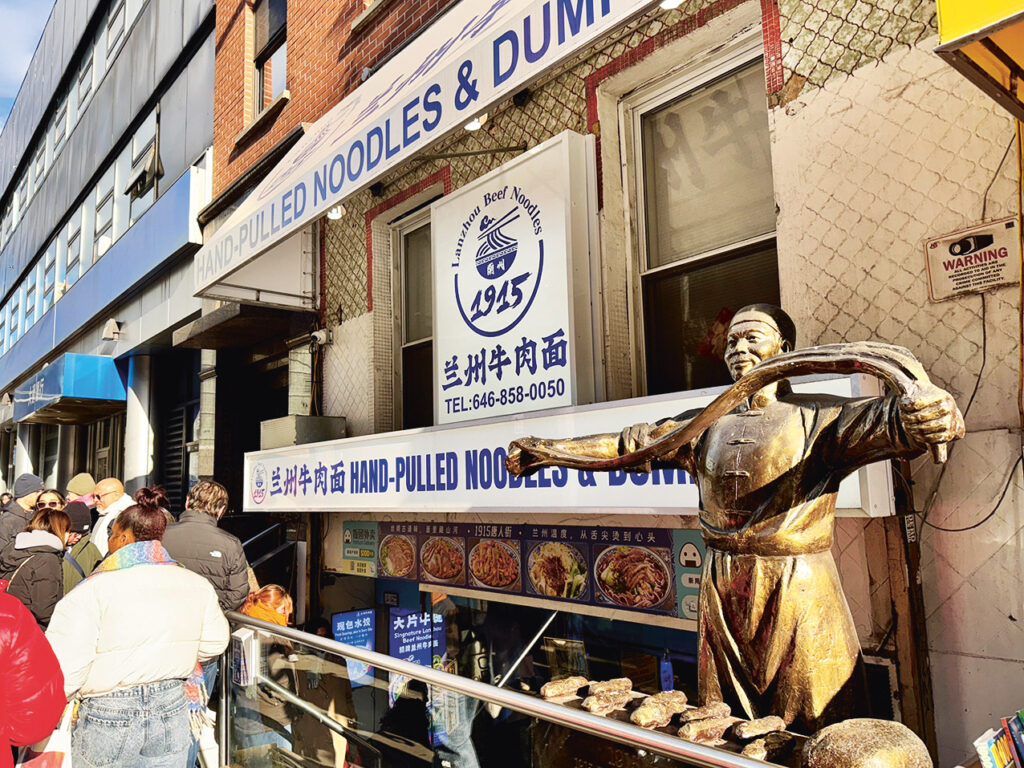
Another recent example is the celebration of Chinese New Year in Moscow in early February 2026, during which Chinese gastronomic traditions were presented. At the same time, Russian representatives visited Beijing, where the Maslenitsa festival was widely celebrated. The Chinese Cultural Centre in Moscow held an open lecture in January 2026 on The Main Cuisines of China: Philosophy of Taste and Traditions. Elena Voinova, a translator and teacher of the Chinese language, spoke about China’s eight main cuisines, their characteristics and basic tastes, as well as traditional dishes and the connection between China’s food, philosophy, and medicine. The Cultural Centre has a well-equipped training kitchen for conducting culinary events of various levels and formats. The Centre also offers a ten-session course in Chinese cooking, after which graduating students receive a certificate. Significantly, national restaurants that Chinese communities have opened on their own initiative in places where they have settled, are today increasingly viewed by official Beijing as part of its foreign policy strategy. According to Zhao Na, a postgraduate student at the Department of Political Science of the East at the Institute of Asian and African Studies at Lomonosov Moscow State University, cites in his article Chinese Cuisine as an Instrument of the PRC’s Soft Power, that today there are about 6,000 Chinese restaurants in New York alone, and about 2,000 in Russia, of which more than 100 are in Moscow. These restaurants have become a convenient and effective channel for disseminating Chinese culture in many countries, thereby shaping an appealing national image of China.


The Chinese New Year Festival in Moscow, 2026
Turkey’s First Lady Emine Erdoğan has also successfully acted as a gastronomic ambassador for her country. In 2022, in New York, she presented traditional sweet dishes at the Turkish House, Türkevi. Fifteen first ladies from different countries took part in this event. Together with renowned Turkish gastronomy experts and experienced chefs, under the patronage of Emine Erdoğan, a book titled Turkish Cuisine with Century-Old Recipes was prepared in order to emphasize the importance of cuisine as an integral part of cultural heritage.
The importance of gastronomic diplomacy in the world today is also emphasized by The World Food Travel Association (WFTA), a non-profit, non-political, non-governmental organization founded in 2003. WFTA specialists rightly believe that use of gastronomy and oenogastronomy as “soft power” meets the needs of many stakeholders. The state boosts its image and foreign policy ties. By creating pleasant, positive associations, it builds a positive tourism brand. The number of tourists rises, so the tourism industry develops. Demand for national products and beverages increases, not only among tourists but also on overseas markets. The restaurant industry profits, with national cuisine restaurants opening in other countries. Interest grows in authentic crafts related to oenogastronomy, such as production of ceramics, tableware, souvenirs, etc. Small and medium-sized businesses, like agritourism farms, develop. Through food, cultural ties between peoples become closer, and an unobtrusive but benevolent influence on foreign audiences is exerted.


