
Yesterday we began telling you about the international designers of the 7th Moscow Fashion Week, highlighting India’s KGL and the Turkish brands Gokhanyavas and Murat Aytulum. Today – two more brands that show how the traditional cultural code of Asian countries is transformed into a modern fashion product: MOMIWEI from China and LIMAK by Kamil from Sri Lanka.
Translated with AI assistance
For MOMIWEI, the Moscow show was the brand’s first international runway presentation abroad. Its founder, Shan Wei, is a graduate of Wuhan Textile University and a participant in the 10+3 SHOWROOM young designer support program of China Fashion Week. Prior to Moscow, the label had already been regularly taking part in China Fashion Week.
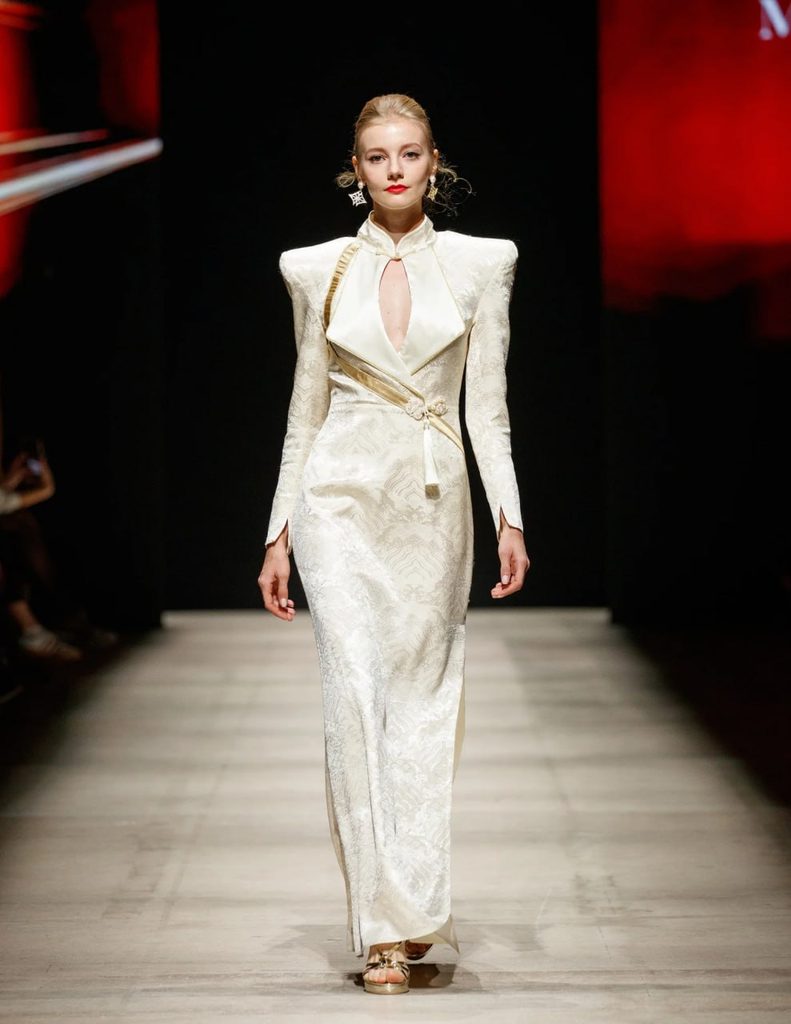
The Light Sequence collection bridges classic Chinese clothing with the modern women’s wardrobe. The runway featured qipaos, vests, and blouses with hanfu silhouettes, as well as loose-fitting trousers and changpao dresses; the materials used included velvet, acetate, and traditional Chinese xiangyunsha silk. The result was a show not of historical costume, but of how recognizable forms of Chinese clothing can be translated into the language of a contemporary premium brand.
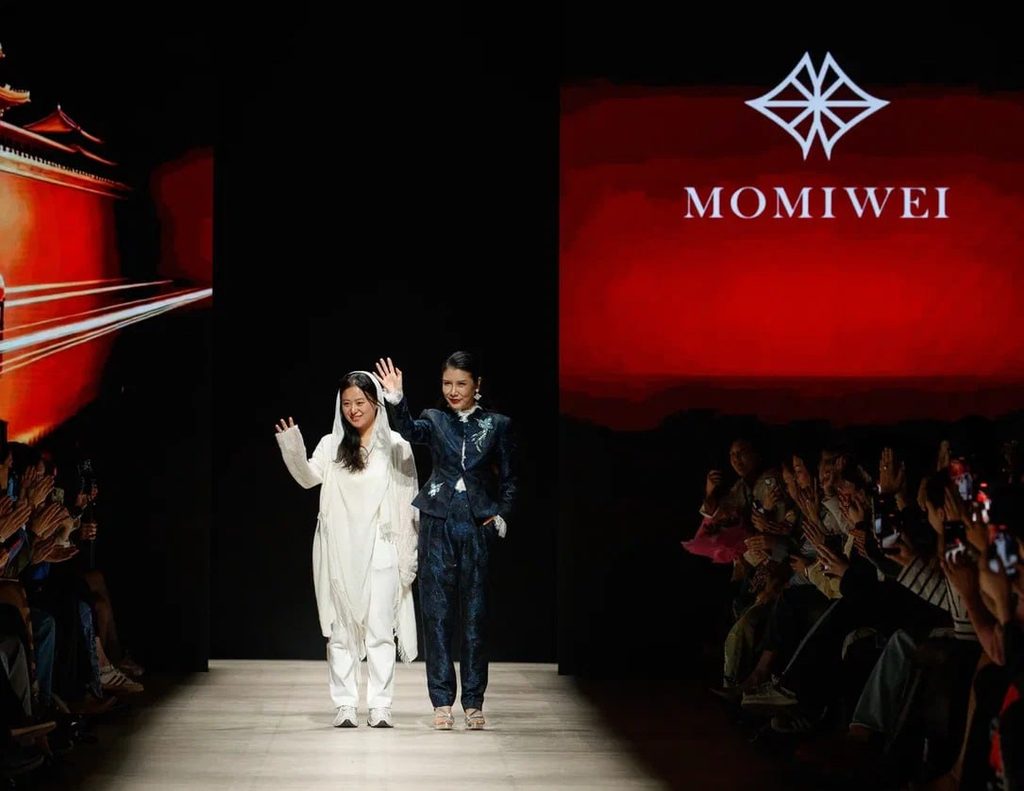
For MOMIWEI, Moscow simultaneously became a test of international demand. Even before fashion week, Shan Wei herself noted that the Russian platform gives Chinese designers access to the media, buyers, and potential partners in the Russian and neighboring markets.
Kamil Hewavitharana chose a different path. The centerpiece of his Moscow collection was traditional Sri Lankan batik — a fabric dyeing technique that the designer translated into a modern evening wardrobe. Pink, green, blue, yellow, and orange were paired with the voluminous, sculptural silhouettes characteristic of LIMAK.
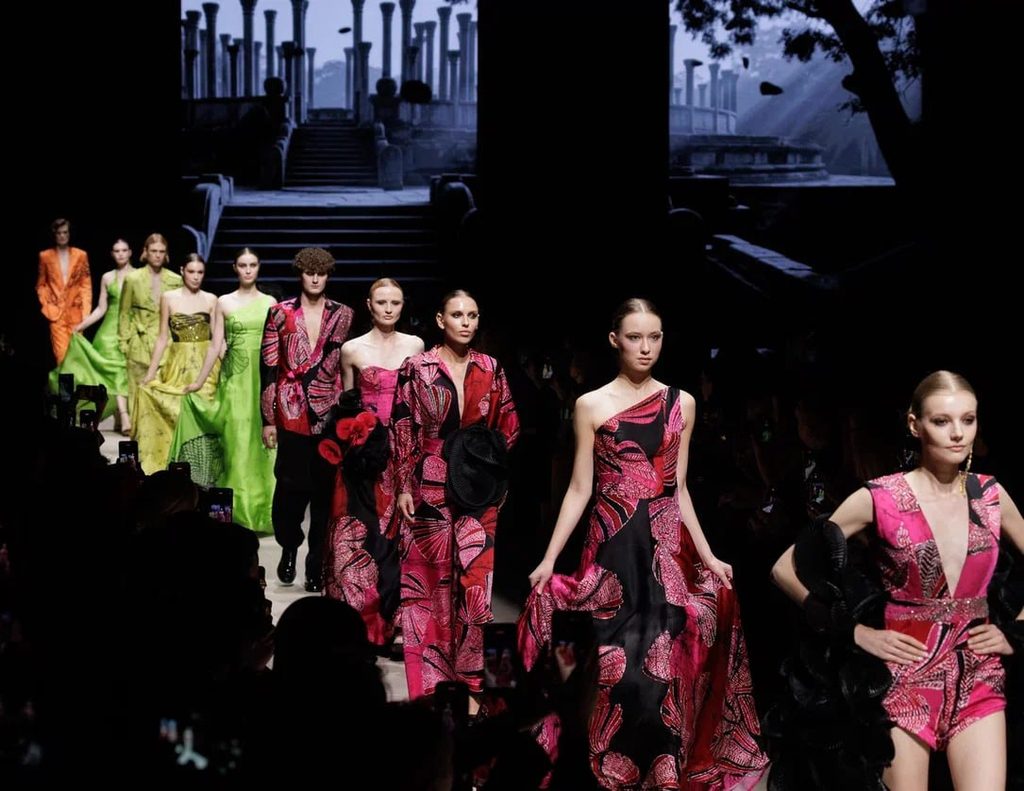
For the brand, Moscow is far from its first international runway. Kamil’s collections have previously been shown in Spain, New York and London, Rome and Dubai. The designer himself grew up in a family where his mother made clothes for his five sisters, and it is precisely from there that LIMAK’s characteristic love for voluminous, complex constructions originates.
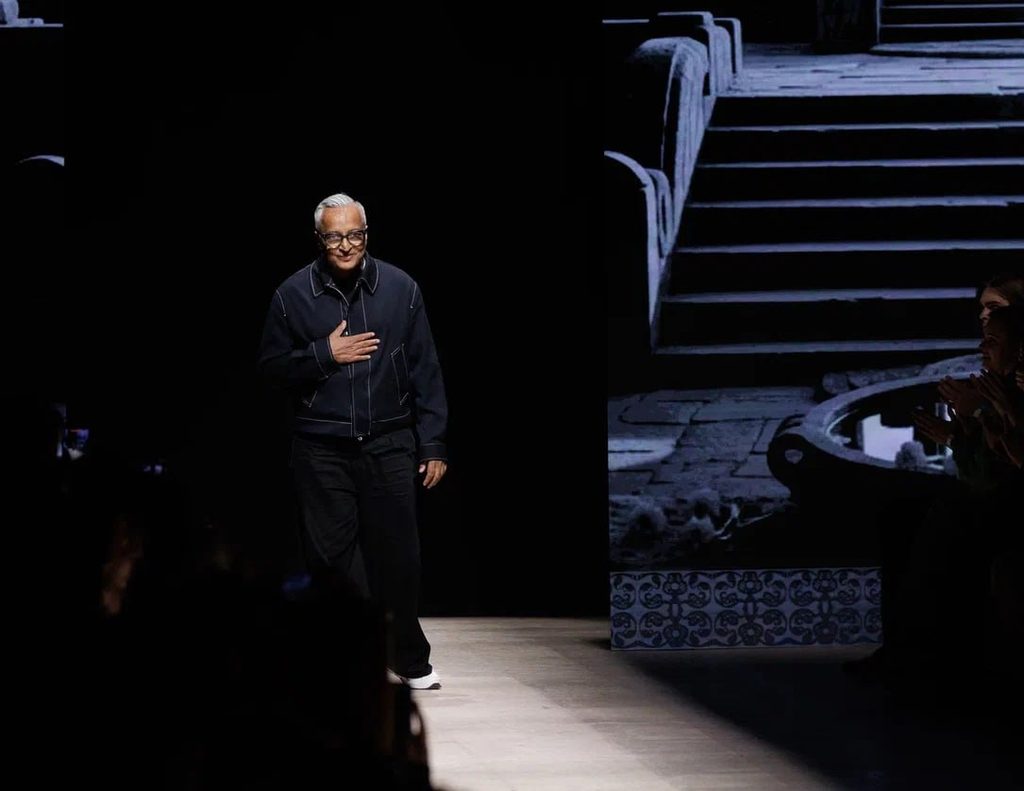
The story of LIMAK is particularly interesting for Sri Lanka. The country has long been integrated into the global fashion business as a major manufacturing hub, but having its own designer brands offers an opportunity to move up the value chain – from sewing clothes for other brands to developing its own designs, name, and intellectual property.
MOMIWEI and LIMAK present two versions of the same process: national heritage ceases to be a museum quote and becomes raw material for contemporary commercial design.


