
Having made the transition several years ago from episodic presence of a systematic reorientation in BRICS countries toward these markets, Russian business is today moving to a new level: it is increasingly thinking not in terms of exports and imports but of investments. Such deepening presence in BRICS countries requires a broader range of strategic objectives to be addressed, from finding partners and gaining access to technologies to raising capital, acquiring assets, and creating international business structures. At the same time, the choice of a new jurisdiction turns out to be a matter not only of commercial potential but also of the company’s long-term development strategy. Oxana Balayan, Founder and Managing Partner of BALAYAN GROUP, explains what needs to be taken into account when considering investment expansion onto BRICS markets.
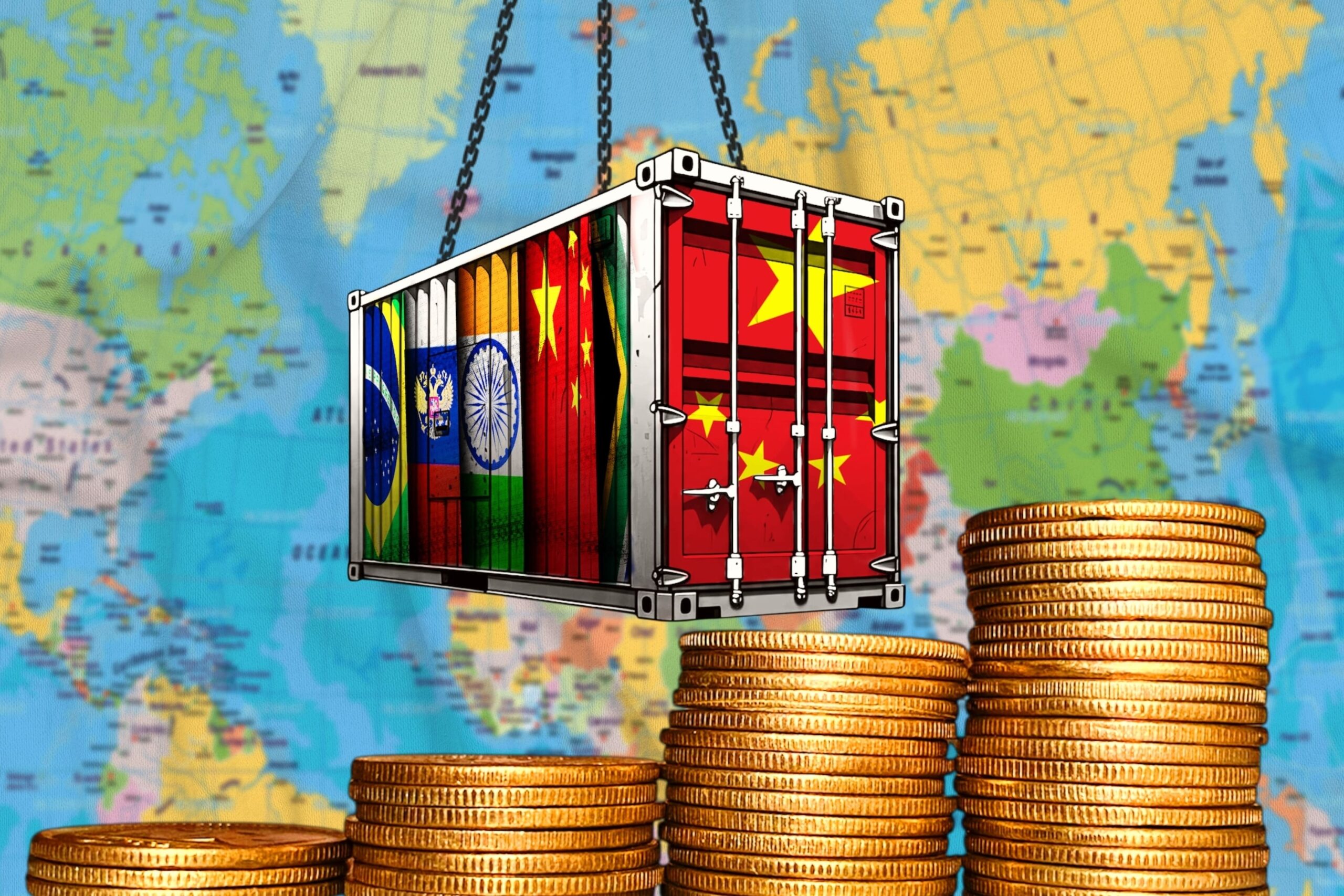
BRICS is not a single market with universal rules of the game. It is a system of diverse investment opportunities with distinct regulatory models, business cultures, and approaches to working with foreign capital. So, today’s main question for companies is not simply which country to choose, but rather which jurisdiction will allow them to implement a specific strategic business objective most effectively.
Regarding the most attractive destinations, it is important to view each country through the lens of specific investment objectives. For example, India today is of interest not only as one of the largest consumer markets but also as a technology, innovation, and capital hub. The country has built one of the world’s largest startup markets. India’s Government has approved establishment of a state venture fund worth USD 1.1 billion to support AI startups and DeepTech projects. The National Stock Exchange of India (NSE) remains one of the world’s biggest trading platforms, and development of the IPO and M&A market creates various scenarios for investors to develop and exit projects.
Under the Saudi Vision 2030 programme, Saudi Arabia is actively attracting foreign capital into industry, technology, and infrastructure projects. Brazil maintains strong positions in the agro-industrial complex, energy, mining, and bioeconomy. Also, according to assessments by the Russian International Affairs Council (RIAC), the Brazilian market is particularly attractive for Russian IT companies owing to the structure of demand: the country needs solutions in cybersecurity, as well as industry-specific software for the agricultural sector and fintech.
Africa, where the very model of economic development is gradually changing, deserves special attention: from a predominantly resource-based economy, countries in the region are transitioning to creating manufacturing, infrastructure, and technology platforms.
When deciding about international development, it is important to start not by choosing a country but by determining the company’s strategic objective: what role should the new jurisdiction play in the company’s long-term development model. If the sole goal is to replace a lost sales market, there is a high probability that the project will prove short-lived and unprofitable. Sustainable international projects are built around a long- term strategy: production localization, acquisition of technologies, joint ventures, raising of capital, or regional presence development. It is also necessary to determine whether management is prepared to invest not just financial but also managerial resources. Entry into a new jurisdiction requires team involvement, adaptation of business processes, plus a readiness to take account of the specifics of the local business environment.
Finally, one of the most important questions is: what does the company envision for this project in 5–10 years? The answer should determine the investment structure from the very outset. If the business is considering the possibility of attracting a strategic investor, conducting an M&A transaction, or realizing the asset’s value in another form, this must be taken into account when the corporate structure and presence model is chosen.
Our many years’ experience in supporting big companies entering onto international markets has shown that a jurisdiction must be assessed much more broadly than from just the standpoint of commercial potential. When choosing a country, the entire life cycle of the future business must be analyzed: from the ability to raise financing and ownership structure requirements to scaling up prospects, attracting partners, and potentially realizing assets.
This is precisely why not only market size and growth rates matter but also the quality of the investment infrastructure: access to capital, development of the M&A environment, presence of institutional investors, clear investment protection mechanisms, plus ability to implement various project development scenarios.
At the same time, understanding of the opportunities a new market offers cannot be gained solely through analysis of macroeconomic indicators. Equally important is direct dialogue with participants in the local business environment. That is why we bring together Russian businesses with representatives of specific countries’ business and investment ecosystems. For example, ahead of the 23rd Russian-Indian Annual Summit, we created a platform for dialogue between Russian businesses and representatives of India’s investment and entrepreneurial community. Together with inviting India’s business elite to Russia, and with the participation of the Moscow School of Management SKOLKOVO, we discussed practical aspects of entering the Indian market: finding partners, structuring investments, creating joint ventures, and building a long-term development strategy.
This experience highlighted an important trend: Russian companies today are asking how to establish a sustainable presence on a new market and with whom to implement this strategy. The role of partners is especially important here: those who possess not only legal expertise but also practical experience in supporting projects in a specific jurisdiction, an understanding of the local business environment, and an extensive network of reliable partners. Such an approach makes possible advance assessment of the regulatory and business risks, understanding of market specifics, establishment of the necessary government relations (GR) connections, and avoidance of additional risks. We are seeing a growing interest in legal due diligence of assets and counterparties, investment protection, intellectual property, and dispute resolution mechanisms. This is only natural: the more mature a company’s approach to international expansion, the more attention is paid not only to market potential but also to the quality of the future project’s structuring, risk assessment, and the choice of optimal development model.
Today, BRICS is opening up opportunities for Russian companies not only to develop operational business but also to create long-term international platforms through partnerships, investments, production localization, and access to new capital markets. Even so, the mere choice of a promising jurisdiction is not a guarantee of success. What becomes key is the extent to which the company understands the strategic goal of entering a new market and is able to build a project development model in advance: from ownership structure and partnership model to investment protection mechanisms and further growth scenarios.
It is precisely this approach that allows international expansion to be viewed as creation of a new business line with a clear development model, scalability potential, and the prospect of unlocking further the project’s potential.


