Founded in 2020, the Women in Modern Industries Association today makes an important contribution to developing human capital: it inspires, motivates, and supports women working in heavy industry, helps them develop, master new professions and competencies, and teaches businesses to notice their talents and give them due credit. The Association’s flagship project is the Talented Woman in Modern Industry award. Since its inception six years ago, this award has transformed from an industry-specific initiative into a prominent institution supporting leadership by women. In 2025, the project reached a new level, inviting participants from the BRICS countries and the Global South.
Editorial translation
Interviewer: Sofia Korepanova
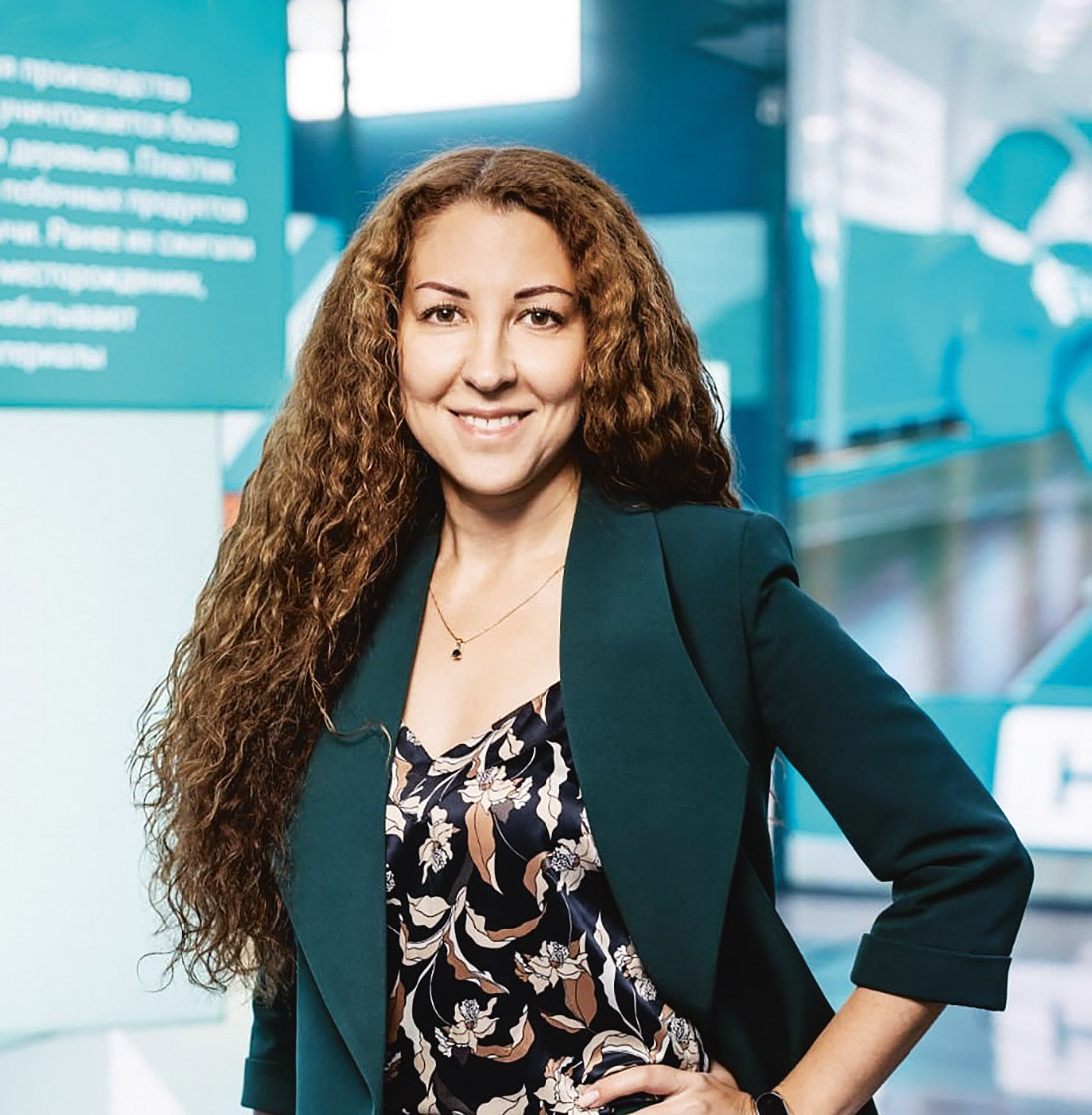
We spoke with Kamilla Zhalilova, head of the Women in Modern Industries Association, about how the role of women in modern industry is changing, why investment in human capital remains a key condition for economic development, and what opportunities the BRICS+ space opens up for cooperation.
Not long ago, many professions had objective restrictions on women: access to a whole range of specialties involving heavy physical labour was prohibited by law. Today, the situation is, indeed, changing thanks to technology. Production processes are becoming automated, equipment is increasingly controlled remotely, and digital professions are emerging. In many cases, a specialist no longer needs to be present constantly at the production site. This opens up opportunities for women that simply did not exist before.
Modern enterprises, even in heavy industries, already bear little resemblance to the image that many of us still have in our heads. One of the tasks facing our Association and the award is precisely to show how industry has changed today. This is important because many young people, especially young women, are simply unaware of the new opportunities available to them in a given industry. By the way, enterprises themselves sometimes talk about this through striking image-building campaigns. For example, the Eastern Mining Company on Sakhalin painted pink a mining dump truck operated by an all-female crew. Modern industry truly no longer divides professions into “male” and “female”. It has become a field of activity for everyone inspired by it and wanting to work there.
A few years ago, we actually conducted a survey among the finalists to answer this question. It turned out that the main result is self-confidence rather than professional recognition.
As a rule, by the time they submit an application for our award, the participants already have significant experience, complex project, and real achievements under their belts, yet they are often unaccustomed to talking about their successes. It is precisely when they are preparing their competition entry that many begin to reflect on their own professional journey for the first time: they have to compile their results for the year, recall projects they have implemented, and obtain recommendations from supervisors and colleagues. At that time, many suddenly realize just how much they have already accomplished. The award gives them the opportunity to pause, look at their work from the outside, summarize their professional achievements, declaring them to themselves and to the professional community.
For participants nominated in the categories Inspiring Leader or Mentor of the Year, another dimension emerges: recognition comes not only from the expert jury but also from the team. People themselves say: we believe that this person is worthy of representing our company.
By the way, once participants reach the finals, the attitude toward them often changes within their companies as well: some are placed in a talent pipeline, others are entrusted with new projects, yet others are sent for training or promoted. Some enterprises even pay their finalists additional bonuses. Our award helps businesses see employees’ potential that might otherwise remain unnoticed in day-to-day work.
We introduced this category several years ago specifically for representatives of blue-collar professions. Today it receives the most applications: women who work directly in production want to talk about their profession, are proud of their work, perceive it as a deliberate choice, and strive to make their work and profession more visible.
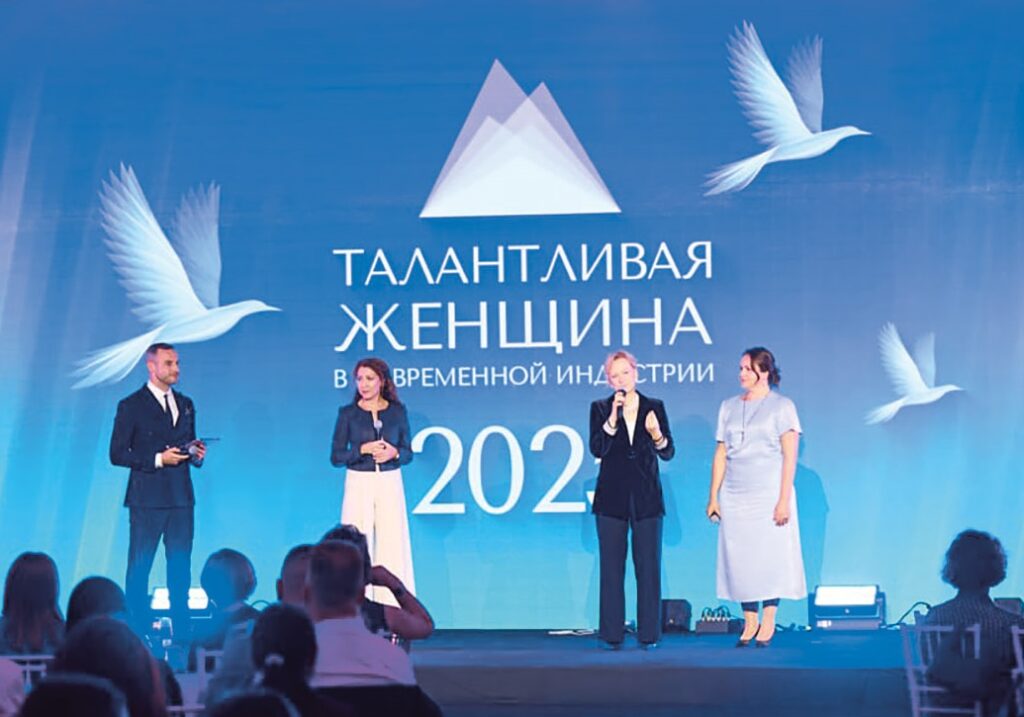
In addition, we consider it equally important to tell the stories of those who have devoted decades to industry. Every year, the award honours women who have worked in the sector for more than 30 years. Not all of them become finalists: the competition is very intense and people with immense practical experience do not always find it easy to present their achievements in an application format. Yet they are often the true custodians of the enterprise’s professional culture. Among our participants have been women who had worked in production for 40 or even 50 years as, for example, cooks in factory canteens known by the entire staff. Formally, they do not manage large projects but they do another important job: they create the atmosphere at the enterprise and become part of its history. This, too, deserves high appreciation and recognition.
There are, of course, many such stories, but perhaps one of the most striking is connected with Yulia Krasnova from the company Metalloinvest. She started working as an industrial premises cleaner. Gradually, while simultaneously raising three children, she acquired new specialties, received additional education, and began taking on more complex tasks. Today, Yulia works as a conveyor operator and has won our award. For me, this is an example of the breakthrough a person can make at work, of what a powerful human resource an enterprise can gain if an employee wants to grow and develop, while the company is ready to create the conditions for this.
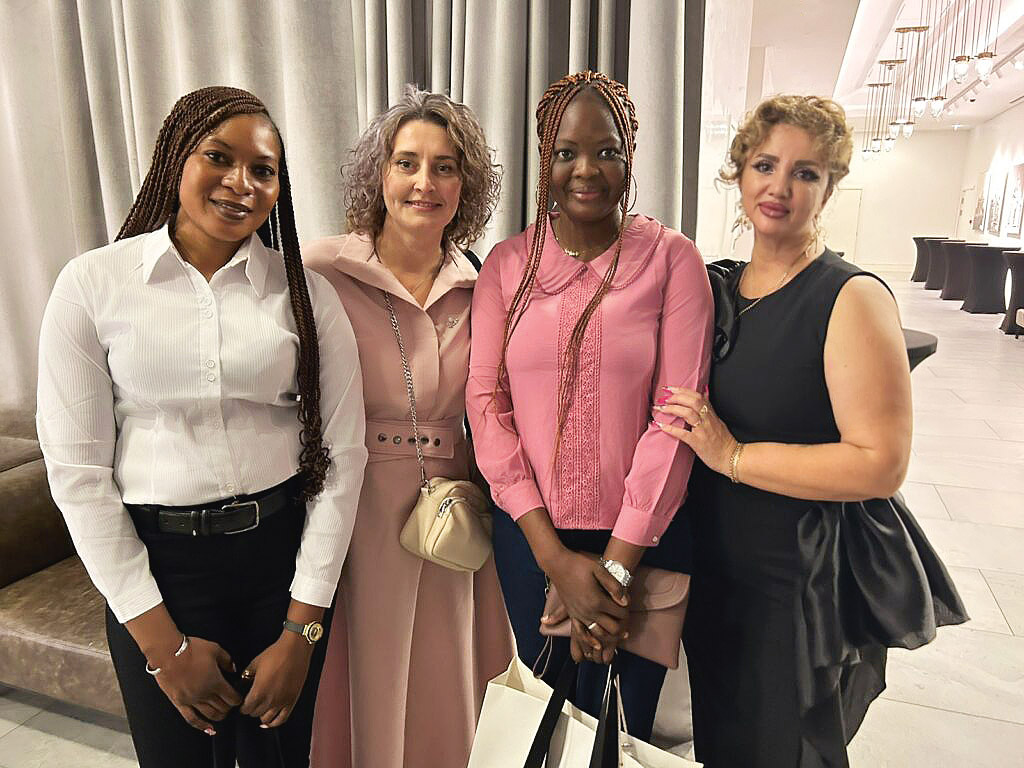
In fact, representatives from CIS countries have regularly participated in the award and competition. In 2025, though, they were, indeed, joined by representatives from China, India, South Africa, and Turkey. Three finalists came to Moscow for the awards ceremony and, I must say, were impressed by our event’s organization and the finalists’ professionalism. We will continue expanding further into the BRICS+ territory: we are seeing a good response to and interest in cooperation.
We are always open to new partnerships and cooperation. We can start with participation at international conferences, organizing joint panels and sessions. Countries and companies in the industrial sector always have something to share: technologies, best practices in change management, employer branding programmes, and youth programmes. Cooperation between companies for exchanging best practices and industrial tourism is also possible. The award could become an excellent international platform for networking. In addition to finding partners and launching joint projects, an international network can be created of professional women who can easily find the right specialists to discuss similar work-related issues. Plus, of course, the idea of expanding our mentoring platform Spread Your Wings to the international level is very appealing.
Technologies change very quickly but, in themselves, they create nothing: they are developed, implemented, and improved by people. That is why investment in human capital is, in my opinion, the main condition for development of modern industry. This is not only about education or new competencies: it is important to notice people’s potential in good time, create conditions for professional growth, and help them unlock their capabilities. This applies to young specialists, experienced mentors, engineers, and workers. Also, of course, to women, who, as we have discussed, are increasingly choosing professions that were, until recently, considered exclusively male. To me, this seems to be the main challenge in the coming years: to see talent, help it develop, and retain it.