
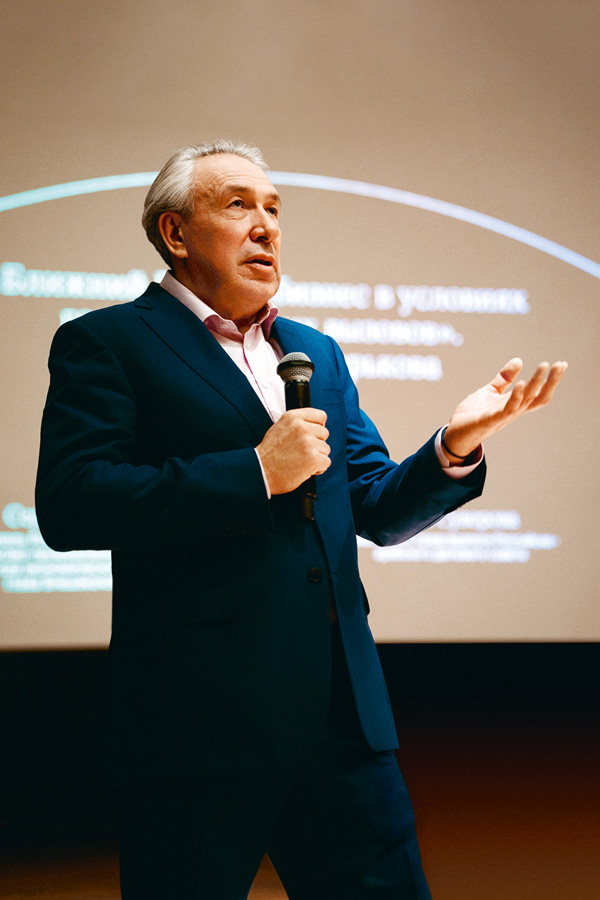
The dramatic events in the Persian Gulf are the main news of the beginning of spring, and the long-term consequences of which for the region and the entire world are not yet obvious. But no matter how the current conflict ends, the significance of the Arab East as one of the most important and promising world economic centres will not disappear. In late March, we talked to Chair and Deputy Chair of the Russian-Arab Business Council of the Chamber of Commerce and Industry of Russia, Sergey Gorkov and Yulia Suvorova, at a meeting at the Noôdome community and club space about what the region represents from an economic point of view and what features of the countries and local mentality need to be taken into account when starting to do business with Arabic countries.
The long-term attractiveness of the Arab world in the future is hardly in doubt, despite the increased risks. Although oil and gas trading remains the mainstay of most regional economies, consistent efforts at diversification are creating opportunities for investors. Despite the apparent similarities, each country has its own specifics that must be taken into account, believes Sergey Gorkov, Chair of the Russian-Arab Business Council of the Chamber of Commerce and Industry of Russia.
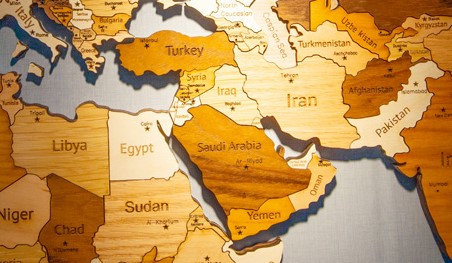
The Arab world is a group of 22 countries of the Arabian Peninsula and the Maghreb with a total population of over 450 million people. Of these, about two-thirds are under the age of 30. This is a large, albeit fragmented, macro-region whose main economic drivers are demography and the oil and gas sector.
In terms of key parameters, that is GDP, structure, and population, the largest economies in the region – Saudi Arabia, the UAE, and Egypt, along with Qatar, the region’s leader in GDP per capita (approximately USD 126,000) and the world’s largest LNG producer – are comparable to Russia. This provides a good idea of the economic entity we are dealing with. As in Russia, the basis of these countries’ wealth is the extraction and sale of hydrocarbons. At the same time, like Russia, the leading countries of the Arab world are consistently making efforts aimed at diversification and modernization, investing significant funds in the purchase of technologies and the construction of industrial enterprises and infrastructure.
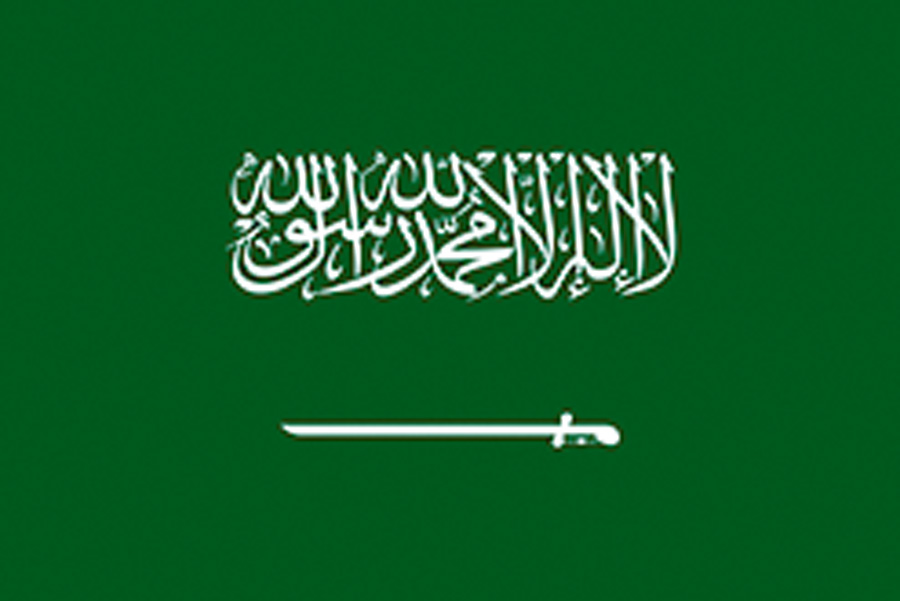
The largest economy in the region. In 2025, the Kingdom’s GDP grew by 4.5% to USD 1.27 trillion. Approximately 48% of GDP comes from the oil and gas sector, which is about twice as much as in Russia. Saudi Aramco is the Kingdom’s main asset and source of income, around which a significant part of economic activity revolves. At the same time, Saudi Arabia is making great efforts to diversify its economy, relying on the Vision 2030 strategy (2.3% of GDP). Among other things, this strategy involves the construction of several hi-tech megacities under domes to create favourable temperatures and microclimates, which should significantly influence people’s way of life.
This year, Russia and Saudi Arabia are celebrating 100 years of interstate relations, and this is one of the most promising areas for the development of economic relations. It is a large and, at the same time, solvent market. The Kingdom is generally receptive to technologies and goods from Russia. Around one hundred Russian food companies have a presence in the country today. For example, about 10% of the premium Saudi chicken market is supplied from Russia. A restaurant project by Arkady Novikov is successfully operating in Riyadh. Today, Saudi Arabia appears to be the most promising direction for expansion by Russian businesses.
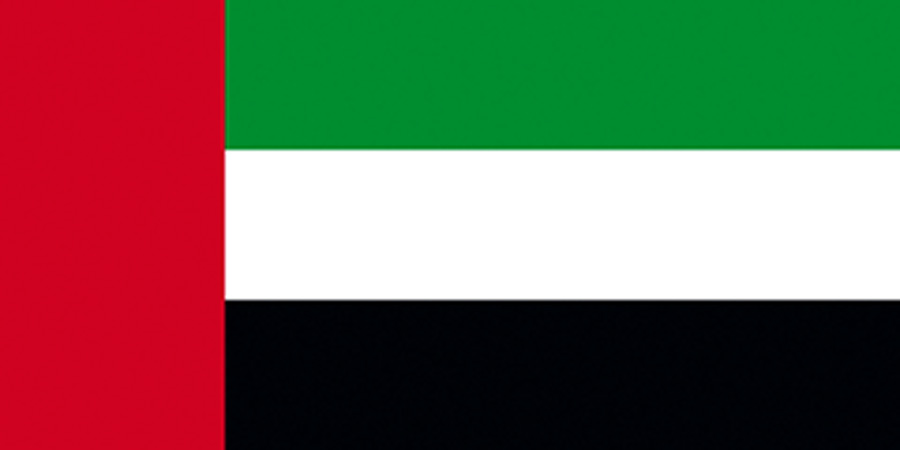
A country with a 56-year history that owes its current prosperity to oil. But if ten years ago hydrocarbons provided the Emirates with about 56% of its GDP, today it accounts for just one third, more or less. This is a clear testament to the success of the UAE’s consistent diversification efforts, the results of which are visible to the naked eye: just visit Dubai or Abu Dhabi. Construction has been one of the engines of the Emirates’ economy in recent years. And we’re not just talking luxury housing, hotels, and shopping malls. As part of the Vision 2030 diversification strategy (the same name as the Saudi strategy), significant funds are being invested in infrastructure development, as well as in agriculture and large industrial facilities. An example of the latter is the mega aluminium smelter that ranks among the top five in the world. As a result, the Emirates today is a world-class logistics, trade, financial, tourist, and museum centre.
Diversification efforts create opportunities for investors. At the same time, it must be recognized that the Emirates market is significantly smaller than Saudi Arabia’s. It is generally more oversaturated and highly competitive. Finding niches for doing business there, unless it’s buying apartments for resale, is quite a difficult task. Also, the much-publicized role of the UAE as a “gateway” to the Gulf region should not be overestimated – local companies would like to play the role of such intermediaries, but in fact, they are not.
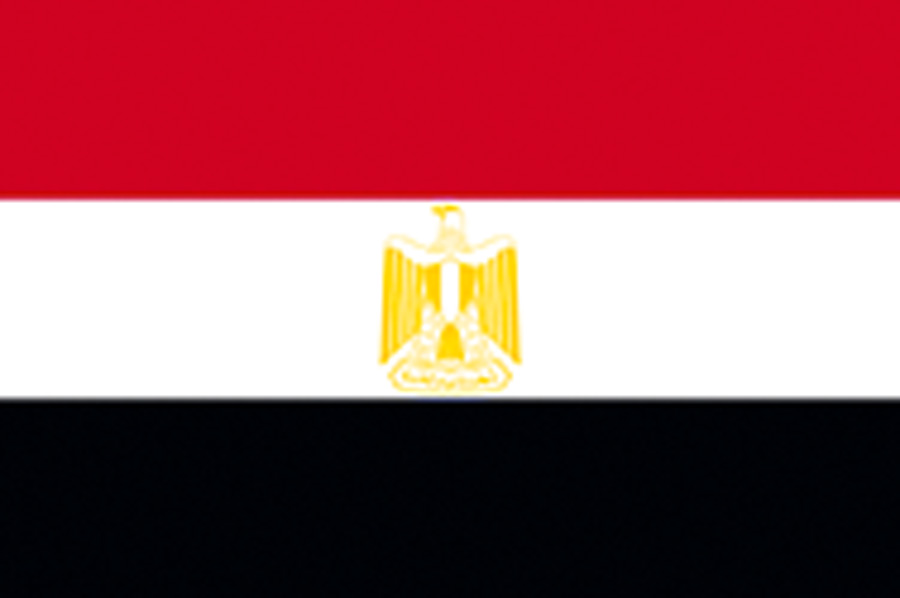
A large, very diverse country with a young and relatively poor population of over 100 million. Thanks to a long history of cultural, economic, military, and political ties, Russia, as well as its goods and technologies, are generally perceived positively by Egypt. In this sense, Egypt is the most underestimated and closest Arab state to us. Although Egypt is a small economy compared to the Gulf monarchies, at about USD 350 billion. Oil is also extracted in the country, but in volumes insufficient to meet its own needs. Therefore, it is relatively easier to enter the local oil and gas sector with investments. However, working in Egypt involves currency risk. Unlike the Saudi riyal and the Emirates dirham, which are tightly pegged to the dollar, the Egyptian pound is extremely volatile. Its exchange rate is floating, depending on the situation in the country.
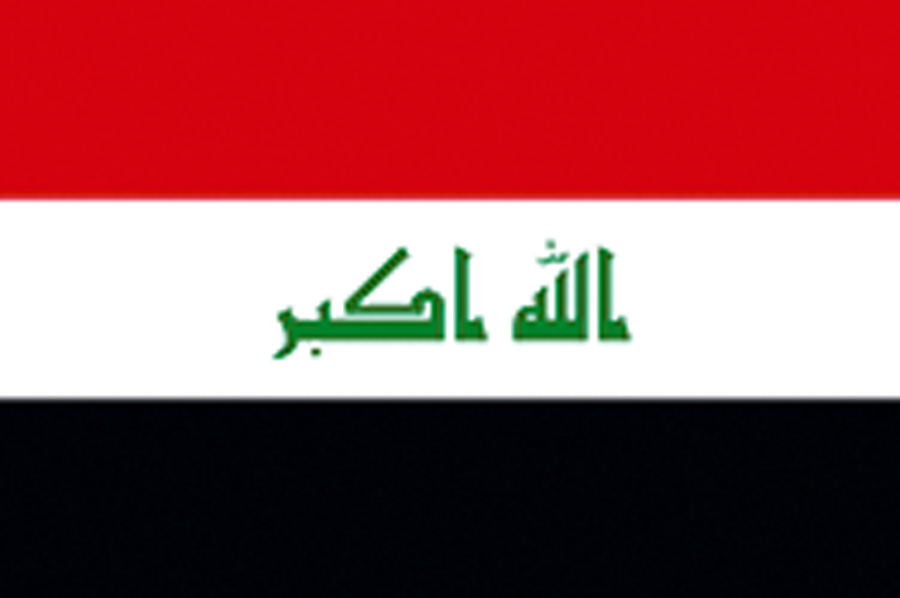
Relatively small in area, but with a relatively large population (45 million), whose economy is totally dominated by oil extraction (providing 99.7% of foreign currency earnings). The entire oil industry of Iraq was built by the USSR, and this has left a certain imprint on relations with modern Russia. However, for well-known reasons, our participation and influence in this country today are objectively minimal. Until recently, two Russian companies operated there – Gazprom Neft and LUKOIL, the latter of which had to cease production and, in March, write off local assets due to Western sanctions.
Nevertheless, Iraq remains a notable trading partner of Russia in the region, with a trade turnover of USD 400 million per year (the leaders are the UAE and Egypt, with USD 14 billion and USD 10.5 billion, respectively). The potential for developing bilateral trade and economic relations also remains, although Iraq is a difficult country for doing business. There are reasons to believe that the Iraqi economy will show high growth rates in the near future. This includes plans for the construction of a new port and other capital construction and infrastructure projects.
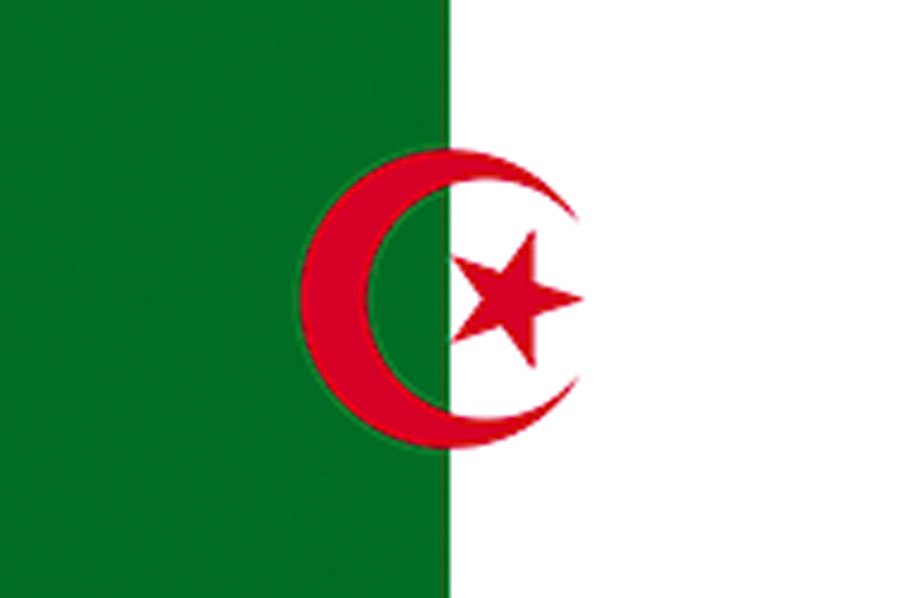
A country with a population of 45 million, a major natural gas producer and the main beneficiary of Europe’s refusal to purchase energy from Russia. The state structure of Algeria is a rather complex mechanism. The country is built on military principles, where the state holds key influence. If the internal situation in Egypt can be conditionally compared to Russia in the 1990s, then in the same analogy, modern Algeria is the new Soviet Union.
Like Egypt, Algeria is still receptive to Russian technologies. The country is a traditional buyer of Russian weapons, the only importer of fifth-generation Su-57 fighter jets currently.
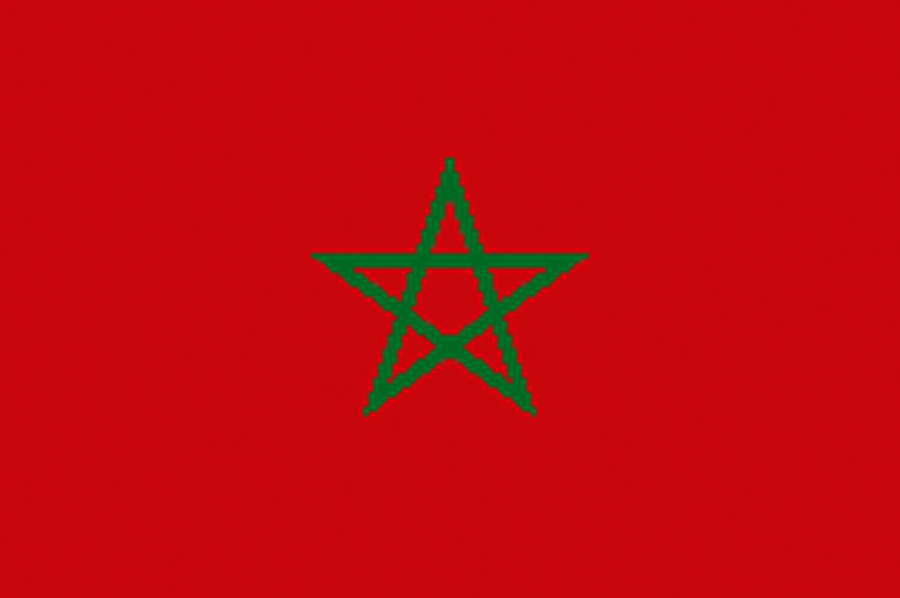
One of the largest and fastest growing economies in North Africa, worth about USD 180 billion. More than half of this comes from the service sector, industrial production (fertilizers and auto components), and agriculture. Morocco’s advantages include proximity to European markets, an even and mild climate, good tax legislation and regulatory rules that favour doing business, thanks to which Morocco today is a major hub for European and American IT companies.
The Consequences Are Long-Term
The war in the Gulf is a key factor affecting the situation in Arab countries and the future prospects of the region’s economies. Until March 2026, the Persian Gulf could have been considered the last safe haven in the modern world. But that has changed. This modality is very important: no matter how and in what timeframe the conflict ends, it will in any case have long-term consequences.
Logistics Disruptions
The rising costs of cargo insurance, delays, and the need to diversify suppliers and warehouse reserves. The closure of the Strait of Hormuz by Iran, which provided 20–30% of world oil exports and 20% of LNG supplies, is a serious blow to global energy trade and logistics. Someday, “traffic on the route” will resume, but the memory of the current blockade among economic agents will remain for a long time. This will bring about significant changes to global trade routes, with all logistics companies being forced to restructure them. In this context, the role of the Persian Gulf and local exporters will decline.
Risks of Escalation, Impact on Investment
The conflict puts capital investments made in the Gulf countries over recent decades at risk of total or partial loss. In particular, Russian companies were involved in 15 projects in the UAE development market, which collectively invested USD 22 billion in the region. After the conflict began, most of these companies left the country awaiting de-escalation.
Long-term investments are already at risk: one way or another, investors will have to consider “protracted” conflict scenarios and adapt their plans accordingly. Even if the war does not drag on, it will remain in investors’ memories for a long time: three to five years is the minimum time needed for the local construction market to return to pre-war activity and investment levels.
Instability of Oil Production and Prices
This factor limits the fiscal capabilities of the region’s countries and risks increasing political uncertainty and destabilization in them. All the Gulf countries have experienced the consequences of the hostilities to one degree or another. But for some states, as far as one can judge, they appear particularly dramatic.
Among the obvious most affected is the United Arab Emirates. In terms of the severity of the consequences, the current crisis for the UAE is comparable to the 2008 financial collapse or worse, although the causes are completely different. Clearly, with the start of the 2026 Persian Gulf war, the investment attractiveness of the UAE and the local real estate market has decreased in the long term. It must be understood that the main buyers of local housing were not Russian citizens, but investors from Europe and India. The status of the UAE as an international financial centre is very much in question. This includes its status as a jurisdiction with an attractive tax regime. The hostilities provoked a mass exodus of citizens of other countries, who now risk losing their tax residency benefits (183 days of residence in the country per year is required to maintain tax status). Aware of the problem, the UAE authorities are working to modify this rule, but the new mechanism has not yet been implemented. The conflict has already damaged the spring tourist season. The next autumn tourist season is in question.
Another country that has suffered significant damage is Qatar, which experienced devastating attacks on its LNG production infrastructure in the very first days of the conflict. According to local authorities, the result was the loss of about one-fifth of its LNG production capacity. Qatar has already declared force majeure on long-term supply contracts to several European and Asian countries. Even if the conflict ends quickly, experts estimate that full restoration of Qatari capacities will take several years.
The Gulf War has dealt a rather sensitive blow to Bahrain. Until the current events, the country remained an important financial hub connecting the outside world with the economies of Saudi Arabia and other Gulf states. Whether it will retain this role and how it will be transformed as a result of the war is a question that remains open.
At first glance, Russia is one of the main involuntary beneficiaries of the Gulf War. In the short term, this is indeed true: the Russian economy is benefitting from rising world oil prices. But over a longer period, the consequences of the current conflict will likely not be so favourable for our country. Iran’s main oil markets are India and China, which, under the current conditions, have become the two largest buyers of Russian hydrocarbon raw materials. Subsequently, Russia will have to compete for the markets of these two countries with relatively cheap Iranian oil, and Iran also surpasses us in terms of oil reserves. If sanctions are lifted as a result of the war, Iran will be able to attract investment to modernize its oil industry, further increasing production volumes.
Given that Russia’s sympathies in this conflict lie with Iran, such a development poses a serious long-term risk for other major oil exporters: not only for Russia, but also for Saudi Arabia and the United Arab Emirates.
Before you start working on joint projects with Arab partners, be prepared to drink a lot of coffee with them. And I mean a lot! They are an ancient trading nation with their own informal rules. Be patient, attentive, and bargain. Remember: first the person, then the business – it is important not to confuse the order, urges Yulia Suvorova, Deputy Chair of the Russian-Arab Business Council of the Chamber of Commerce and Industry of Russia.
The investment boom and the level of development that Arab countries have achieved today are not accidental. This is a historical heritage that they have been building for many years. Contrary to some misconceptions, the Arab world was never a desert on the sidelines of the world. Historically, it has been the main crossroads of the planet, playing the role of a “golden bridge” between East and West from the depths of history. Baghdad, Cairo, and Damascus have been centres of global exchange for centuries. Spices from India, silk from China, and gold from Africa converged there. Arab merchants were the ones who invented and introduced the check system (for a fee upon purchase), as well as analogues of modern promissory notes, bank guarantees, bonds, and partnership agreements into trade transactions. And they were the ones who developed Islamic economics in the form of supporting trade finance. They know how to structure deals and find partner financing. The ability to negotiate and mediate is the foundation on which they grew up and which they have mastered. Trade is in the DNA of every representative of this region.
Sovereign Wealth Funds – National Savings Banks and Soft Power
The move from trade to oil in the mid-20th century changed the rules of the game forever. The 1973 oil crisis, which ended the era of cheap hydrocarbons, led to the birth, over the course of just 30–40 years, of financial giants – the sovereign wealth funds of the Gulf monarchies. Sovereign funds – the Public Investment Fund of Saudi Arabia (Saudi Arabia), the Abu Dhabi Investment Authority (UAE), Mubadala Investment Company (UAE), Qatar Investment Authority (Qatar), and the oldest in this group, the Kuwait Investment Authority (Kuwait) – are the savings banks of entire nations, accumulating huge funds amounting to approximately USD 10 trillion. Their activities are no longer limited to acquiring buildings, hotels, and football clubs in London and around the world. They buy stakes in major technology and manufacturing companies, integrating them into long-term development and diversification strategies for their economies, creating industrial assets on their territories, partly to reduce total dependence on imports of goods and technologies they need. Sovereign funds are not just a source of financing, but instruments of soft power and global influence, where Arab investors are ready to enter your country with their money and see the very best.
The long-term directions and development priorities that inform the investment decisions of sovereign funds are presented in their respective “visions” – the long-term Vision 2030, and now the Vision 2040, development strategies. These are good guidelines for international investors who can adapt their own plans to them. Their main pillars: stabilization of national economies, primarily protecting them from oil price volatility; savings and accumulating wealth for future generations; and economic transformation – creating conditions for sustainable economic operation and the resources it needs after oil runs out, through investments in infrastructure and innovation.
In essence, this is the historical path taken by Arabs from camel caravans to digital investment platforms. But the essence and goals of this policy remain unchanged: control over key routes for the movement of goods and finance is the guarantee of prosperity.
Patience and Enjoying the Process
When thinking about business and preparing for negotiations with Arab partners, it is worth learning about and taking the characteristics of these people, their habits, and mentality into account. The good news is that we are very similar in many ways. Being and acting as intermediaries between Europe and Asia, we, especially in dealing with Arabs, begin to feel more like we are from the East than the West. For them, just like for us, the philosophy of relationships is very important: first the person, then the business, and not the other way around. In practice, this means that Arabs have no desire to do business with a person they find unpleasant, and this is very similar to us.
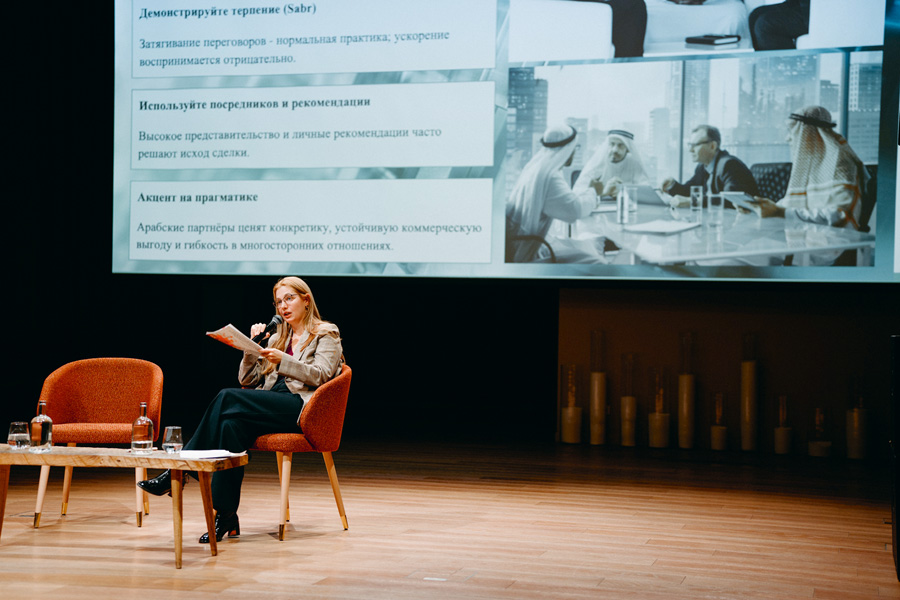
If in Western culture time is money, then for Arabs, time is a tool for building trust. Before talking business, they need to get to know you as a person. You must be prepared to build these connections, open yourself up to negotiations, and create a social structure for establishing a friendship. Until your Arab partner understands what kind of person you are, no contracts will be signed. In practice, this means long-term personal communication, showing genuine interest in your future partner – the need to drink the proverbial “60 cups of coffee” to establish personal contact and trust in the broadest sense. You need to spend two or three meetings talking about health, family, children, history, and the culture of their country before you propose your business project to an Arab.
It is just as important to demonstrate patience (sabr in Arabic). Behind this word lies an entire Arab philosophical Islamic construct, where patience shows the quality of you as a person, the quality of your business, and the long-term nature of your intentions. If you show patience, meet with Arabs, invite them to your place, simply call them on Fridays to wish them a good day and ask how their children are, then after the third, fifth, or tenth cup of coffee, you might just receive an invitation to the desert for a safari. Where, incidentally, they will casually ask about the details of your project. This is your golden hour to tell them all the details and propose doing business together.
In addition to patience and winning the heart of an Arab partner as a friend and brother, an intermediary is needed to close the deal. The institution of mediation in the Arab world has been built over centuries, and nothing can replace it. Suggesting to an Arab that you work directly, without commission will be seen as bad form. Mediation is a national source of income and an important point in building trust. Although the mandatory rule of having an Arab partner when registering a company for foreigners was abolished in Saudi Arabia and the Emirates two and three years ago, respectively, it continues to be rigorously applied in practice, albeit informally. You need an intermediary to introduce you. The Arab’s logic here is simple: if he doesn’t know you, has never heard anything about you before, and none of his friends have told him about your technology, you look suspicious. But if someone from the embassy called him about you, or some mutual friend, relative, or partner, and he also saw your stand at an exhibition you invited him to, then the barrier of distrust crumbles.
Remember that Arabs are a trading nation. Bargaining during negotiations is a sign of respect. By refusing to haggle, you deprive your Arab partner of the pleasure of the process. You need to know how to bargain and be prepared for it in advance. The typical Russian concept – to offer the lowest price – works poorly on Arab soil. Local markets are very competitive. Arabs can buy the best technology from any international manufacturer for any amount of money, and they don’t need it to “just be cheap.”
Physical presence on the ground and a willingness to meet in person is proof that your intentions are serious, and an important stage of successful progress towards a deal, which in the Arab world is rarely closed remotely or by email.
When you have finally reached an agreement and shaken hands, it is vital that you put everything in writing. In Arab culture, verbal agreements, if not conditional, can be interpreted very loosely. A written contract will later save you from misunderstandings and possibly save your reputation.


