
A civilian airport at an altitude of nearly 4.5 kilometres. A train soaring above the ground. The longest underground network in the world. The BRICS countries boast many outstanding transport infrastructure projects that required unique technological and engineering expertise. BRICS Business Magazine presents a selection of them.
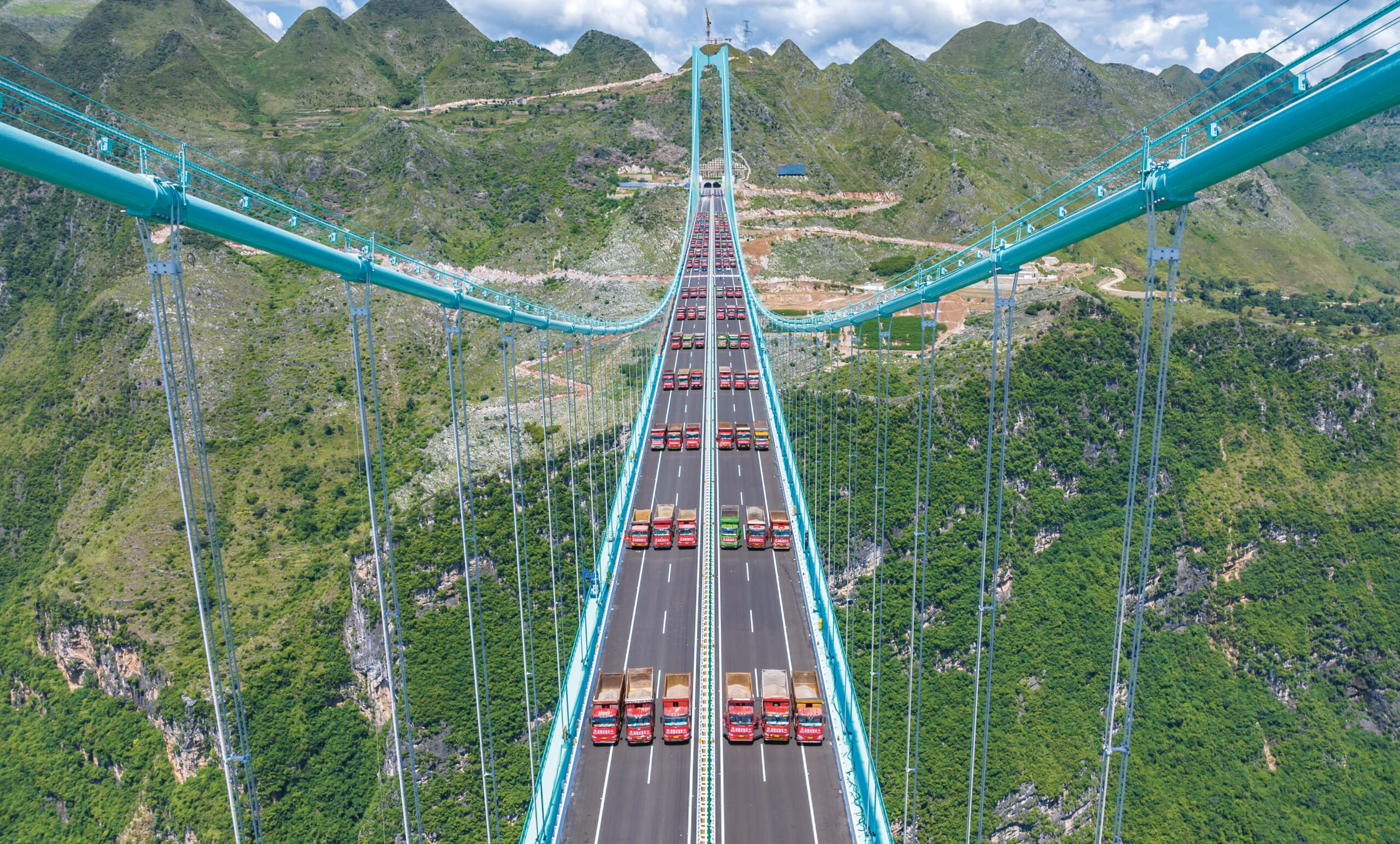
The almost three-kilometre bridge in China’s Guizhou Province opened for traffic in late September 2025. The total clearance from the bridge to the bottom of the canyon – through which the Beipan River flows – is 625 metres (meaning the bridge is 70 metres higher than the Ostankino Tower in Moscow). The opening of the bridge had reduced the journey time from one side of the canyon to the other from over an hour to around one minute.
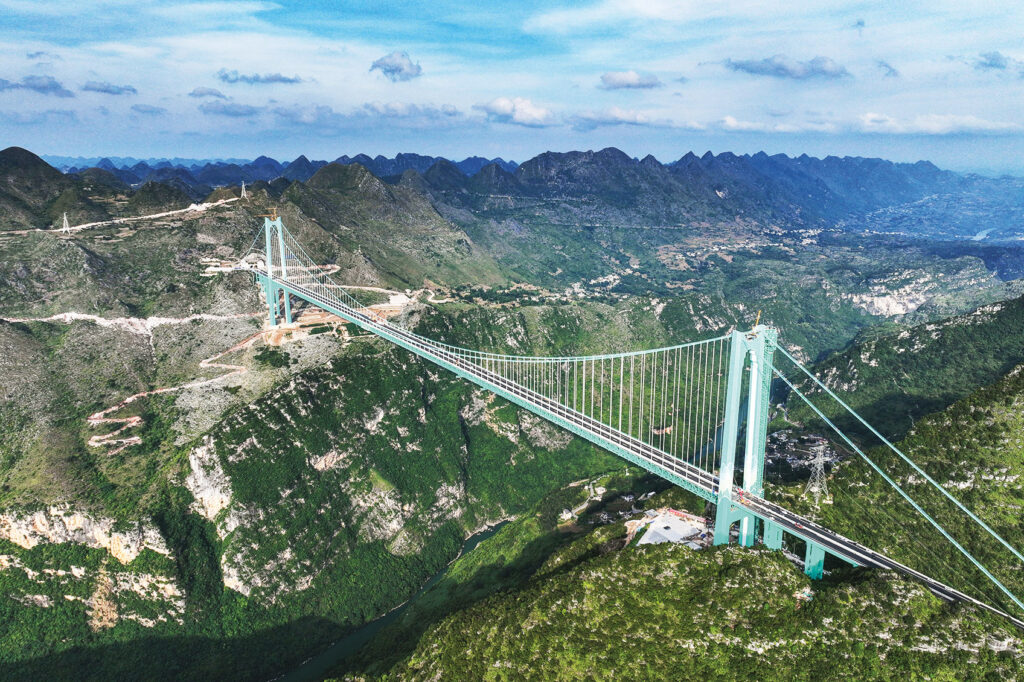
The complex mountainous terrain of Guizhou Province in southwestern China (known as a centre for extreme sports) forces engineers to perform miracles of ingenuity in bridge construction. There are over 30,000 bridges in Guizhou, including the 565-metre-high Duge Bridge, which held the title of the world’s highest bridge until the bridge over Huajiang Canyon was opened.
An air gateway in China’s Sichuan Province, situated 4,411 metres above sea level. Daocheng Yading opened in 2021 and handles five flights a day connecting Daocheng County in Tibet with Chengdu, Lhasa, and Shanghai. The airport’s maximum annual passenger capacity is 280,000.
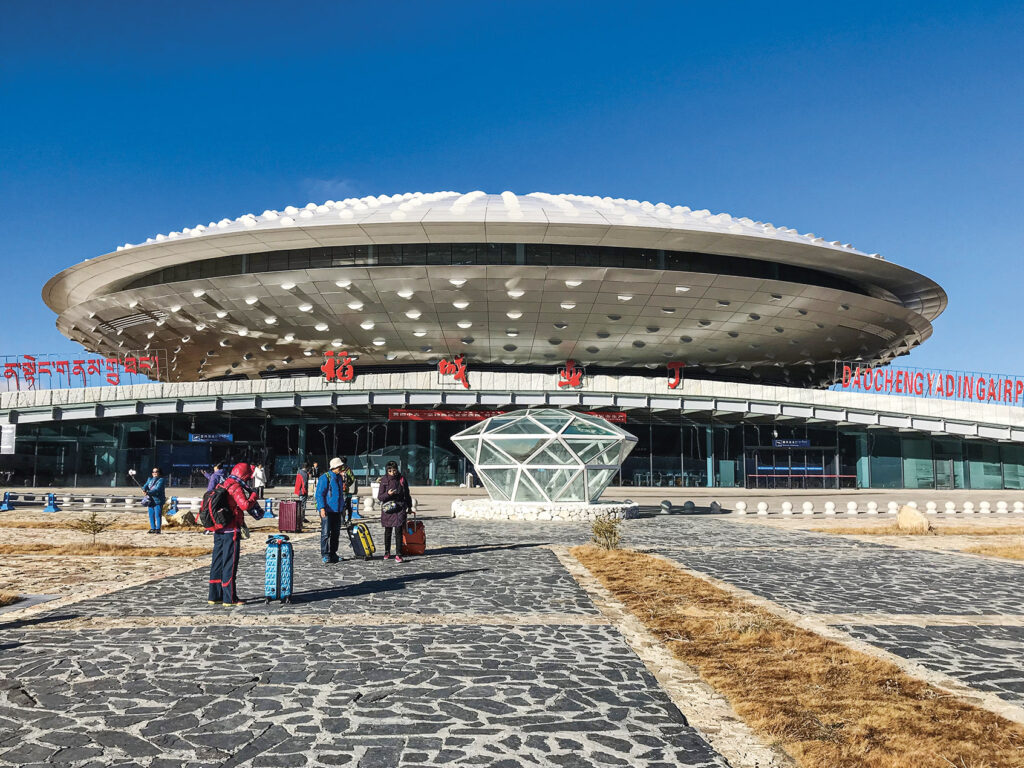
Construction of the airport required unique solutions in order to operate in the thin air, strong winds, and extreme temperature fluctuations of high-altitude regions. The unpredictable atmospheric conditions in the Himalayas make flights to Daocheng County a significant challenge for pilots.
A bridge spanning over 18 kilometres, connecting the Crimean Peninsula and mainland Russia. The bridge features a four-lane highway and a double-track railway. It is designed to handle up to 40,000 vehicles and 47 train pairs a day.
The Crimean Bridge is supported by nearly 600 massive pillars up to 35 metres tall, over 7,000 piles up to 105 metres long, and special damping systems to compensate for thermal expansion. The total weight of the metal structures exceeds 260,000 tonnes, equivalent to 36 Eiffel Towers.
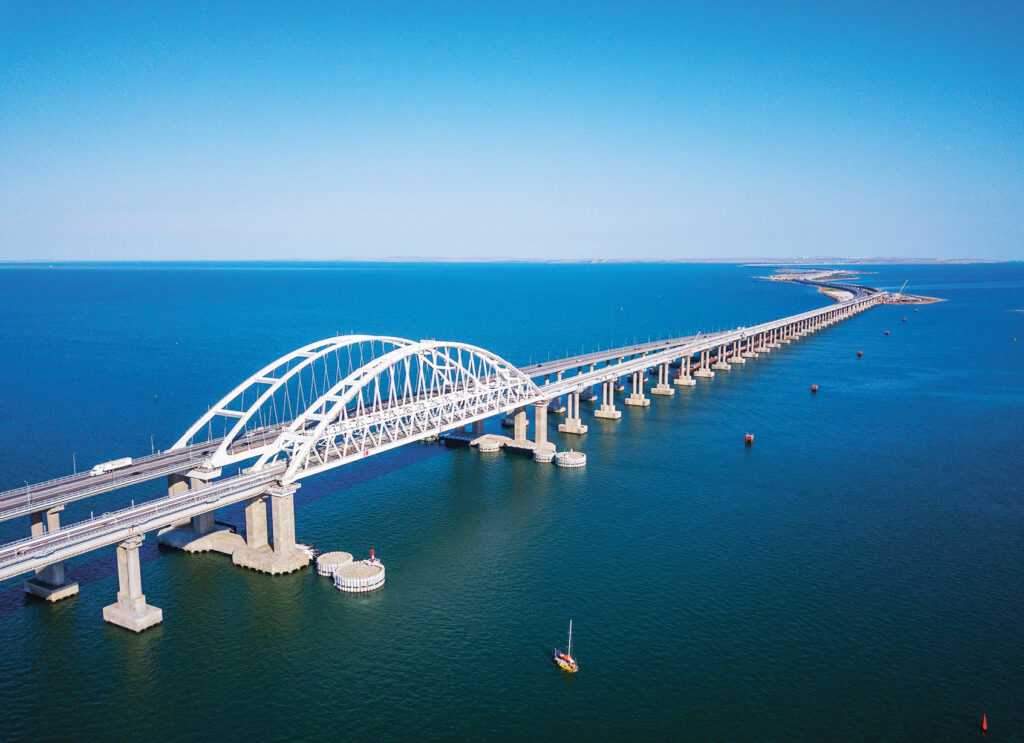
During its construction from 2016 to 2019, engineers faced numerous challenges: strong sea currents up to 3 m/s, unstable silt deposits on the Kerch Strait seabed, and seismic activity in the region. The builders employed revolutionary technologies, including 3D modelling of all processes and round-the-clock monitoring via 5,000 sensors.
Located at the confluence of the Rio Negro and the Amazon, this port handles approximately 13 million tonnes of cargo annually, accounting for about 60% of the river freight traffic in the Amazon Basin.
The port covers an area of 15,000 sq. metres and can accommodate vessels up to 130 metres long. With a depth of 40 metres, it serves not only riverboats but also medium-tonnage sea vessels. A distinctive feature of its infrastructure is the system of floating docks adapted to the seasonal water level fluctuations.

The Port of Manaus is a major hub for Brazilian rubber, precious timber, and agricultural products.
The Khorgos International Centre for Border Cooperation is located on the Kazakhstan–China border. The terminal’s annual freight turnover exceeds 30 million tonnes, representing about 15% of all land trade between China and the Eurasian Economic Union.
Khorgos houses 38 terminals for processing containerized, liquid, and bulk freight. Its infrastructure allows for annual handling of up to 500,000 containers. A unique feature of the facility is the “two countries, one market” system, which enables customs clearance under both Kazakhstan and China procedures at the same time.
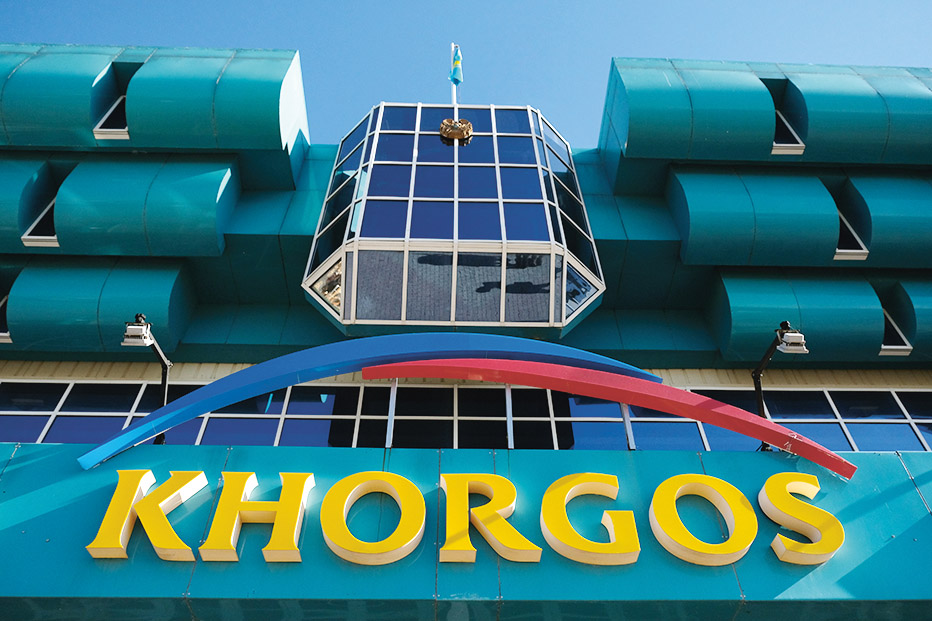
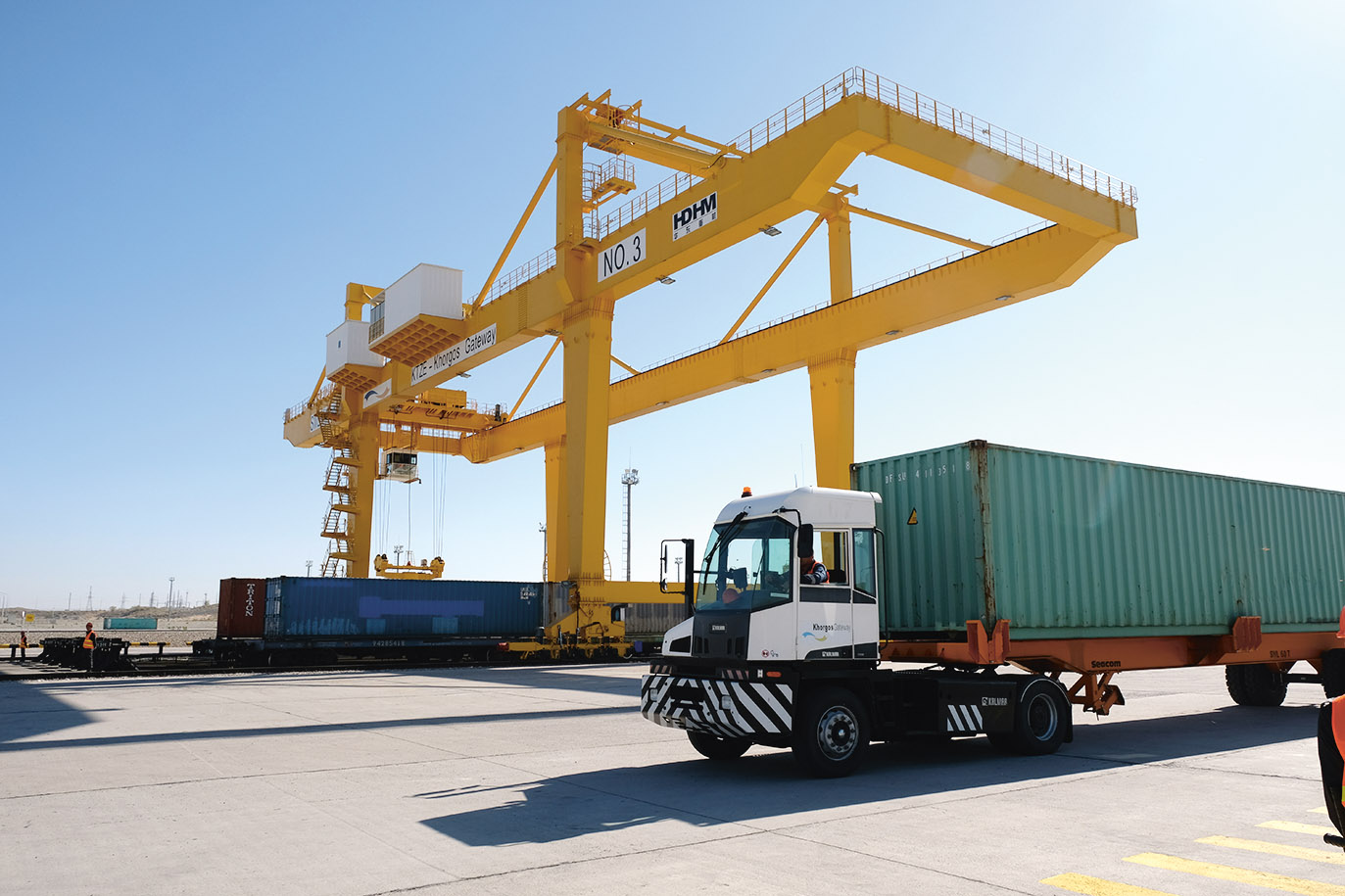
As a key component of the Belt and Road initiative, Khorgos facilitates transit of up to 80% of Chinese goods transported by rail from China to Europe. The port handles up to 50 train compositions and 1,500 trucks daily.
A 1,956-kilometre railway connecting Xining District with Lhasa in the Tibet Autonomous Region of China. Over 960 kilometres of the track lie at altitudes exceeding 4,000 metres. The Tanggula Pass station (5,068 metres) is the world’s highest-altitude railway station. All stations above 3,000 metres and the trains themselves are equipped with oxygen supply systems for passengers, and each train is accompanied by a medical professional.
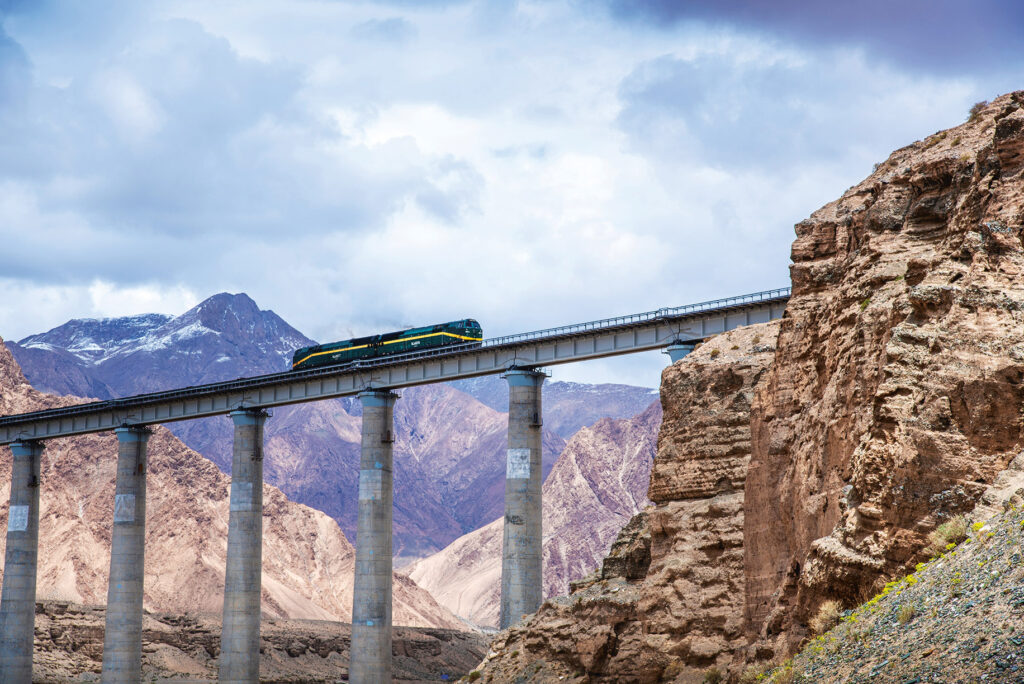
The railway’s annual freight volume exceeds 30 million tonnes, including delivery of up to 80% of all goods to the Tibet Autonomous Region. Passenger traffic reaches 16 million people annually.
The Beijing Subway consists of 29 lines running a total length of 879 kilometres and transporting over 10 million passengers a day. Before the COVID-19 pandemic, the network set a global record for annual ridership at 3.84 billion trips.
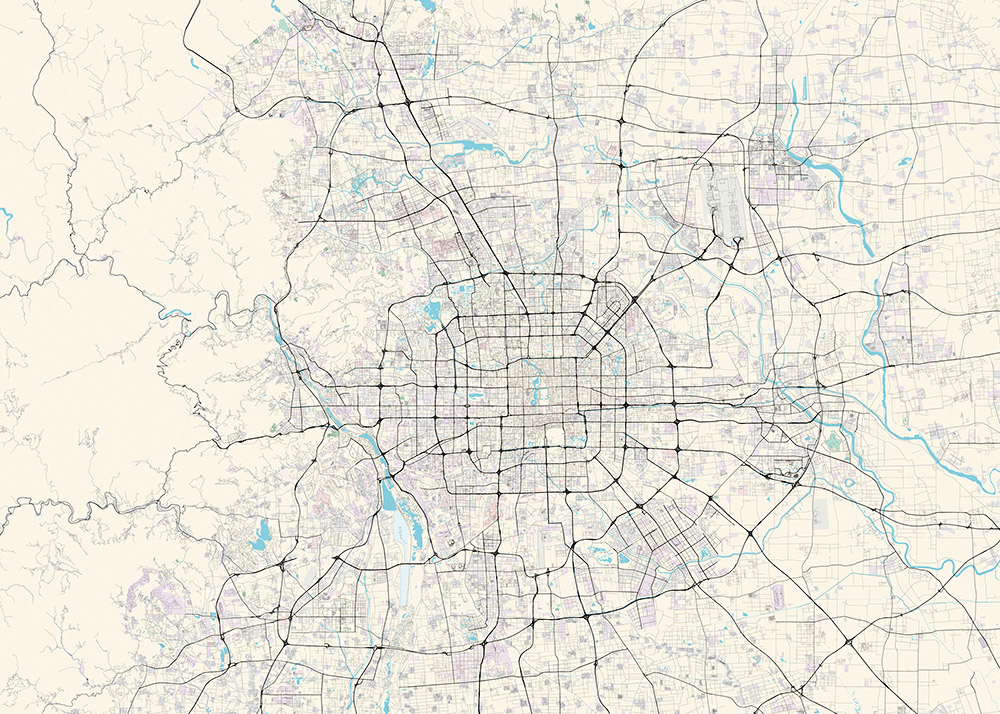
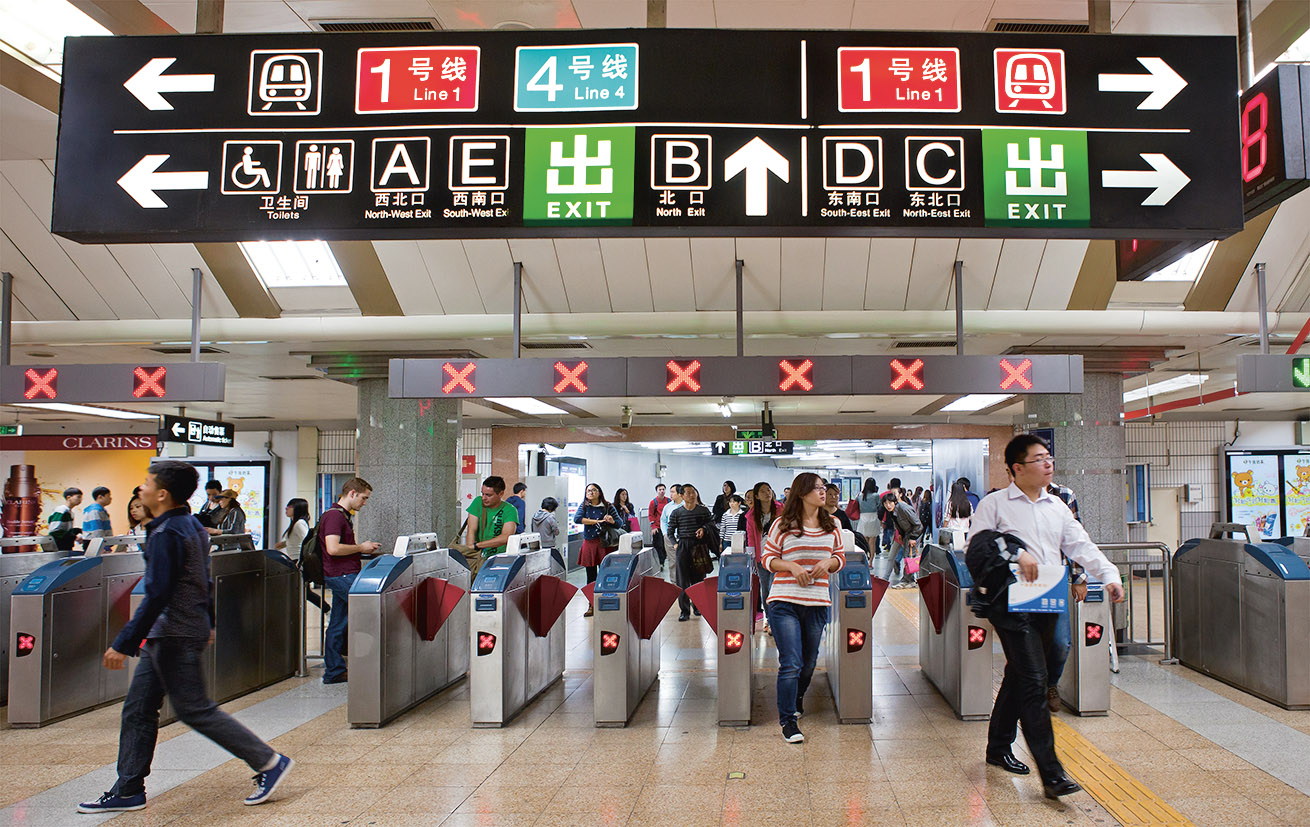
The first subway line opened in 1969, with the most significant expansion occurring during the preparations for the 2008 Olympics, when 50–70 kilometres of new tracks were added annually. On some sections, trains can reach speeds of up to 110 km/h.
The system’s operating costs exceed CNY 15 billion annually, with fare revenues covering about 70%. Yet, the economic impact on the city is far greater, the subway handles about 55% of all intracity transport, reducing the load on Beijing’s road network, which carries over six million registered vehicles.
The 9,288-kilometre Trans-Siberian Railway remains the world’s longest continuous railway line. Built over 25 years at the turn of the 19th and 20th centuries, the railway crosses eight time zones, linking 87 Russian cities.
The railway can handle up to 100 train pairs a day and provides transit for containers from China to Europe in 12–14 days. Annually, the Trans-Siberian transports about 200,000 containers or 100 million tonnes of freight, with freight trains averaging 900 km a day.

The Trans-Siberian Railway serves as a strategic alternative to maritime routes from Asia to Europe, reducing delivery times by 20 days. It is a key component of the international North–South transport corridor and a potential basis for integration with China’s Belt and Road initiative.
Modernization efforts from 2008 to 2023 included full electrification of the railway, increased axle load capacity, and implementation of digital traffic control systems. These upgrades have ensured that the railway remains not only a historically significant project but also a modern transport corridor.
The Bolshaya Koltsevaya Line (BKL), opened in 2023, spans a record-breaking 70 kilometres, surpassing Beijing’s 10th Line (57 km). This ambitious project marks a new stage in the development of Moscow’s urban transport, showcasing Russia’s capabilities in creating complex infrastructure solutions.

The BKL’s 31 stations alleviate congestion at central transfer hubs, reduce passenger travel times and connect remote districts, forming a unified transport network for the metropolis.
Its construction required advanced technologies, including tunnelling under dense urban development and integration with radial metro lines and the Moscow Central Circle.
This highway in India traverses the Himalayas at altitudes up to 5,800 metres above sea level. Built in 2017, the road connects remote areas of India’s Ladakh region with the country’s main transport network.

Oxygen levels at the highest points of Umling La are less than 50% of the norm. The road was built under extreme conditions, fierce winds up to 30 m/s and temperature swings from +30°C in summer to –40°C in winter.
For India, Umling La is of strategic importance, bolstering defence capabilities in border areas and ensuring delivery of goods to remote settlements.
The Shanghai Transrapid maglev connects Pudong Airport with central Shanghai, transporting over 8,000 passengers a day. With a top speed of 431 km/h and an operating speed of around 300 km/h, it remains the fastest commercial maglev in the world.
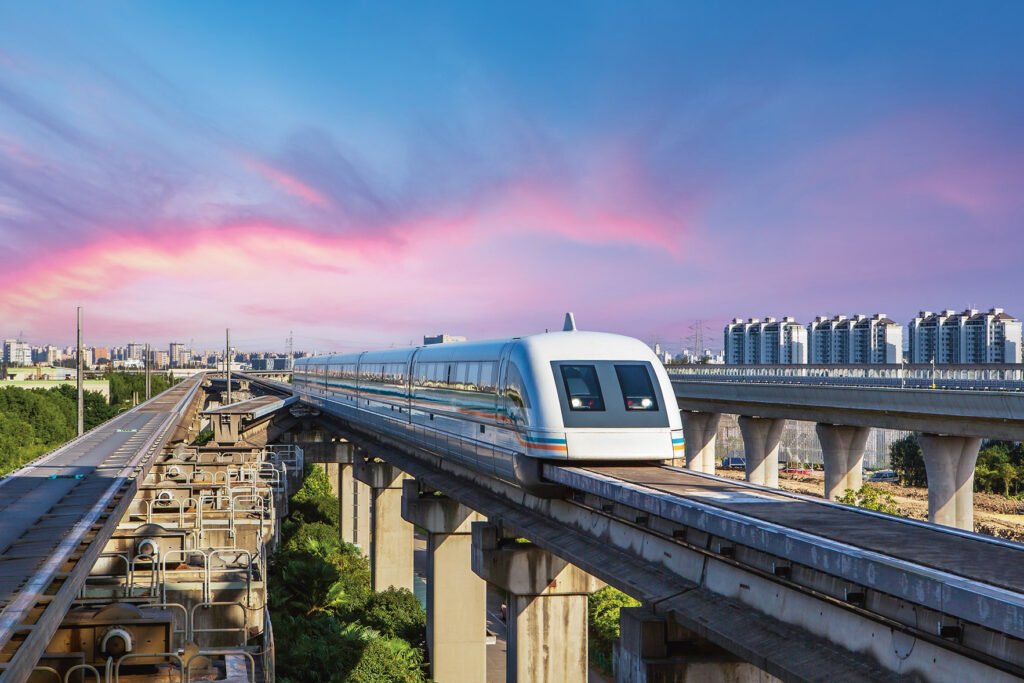
Unlike traditional trains, the maglev moves by means of magnetic levitation, eliminating wheel-on-rail friction and enabling record-breaking speeds. The 30-kilometre journey from the airport to the city takes just 7–8 minutes.significantly faster than the subway or road transport. A one-way ticket costs CNY 50, or just under RUB 600.


